Business Continuity Statistics 2026: Cyber, Disruption and Resilience Risk
Verified 2026 business continuity statistics on cyber incidents, business interruption, AI, supply-chain resilience, regulation, natural catastrophes and geopolitical risk.
Explore MATSH research and data-led articles on workforce development, youth, education, employment and professional training.
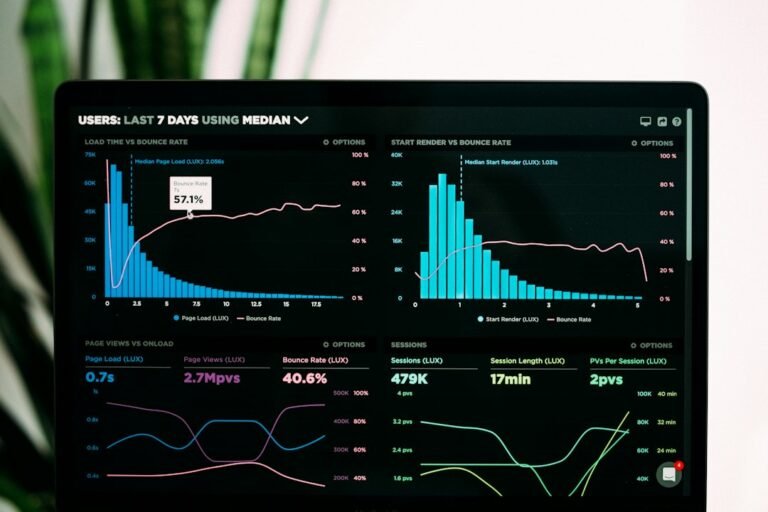
Verified 2026 business continuity statistics on cyber incidents, business interruption, AI, supply-chain resilience, regulation, natural catastrophes and geopolitical risk.
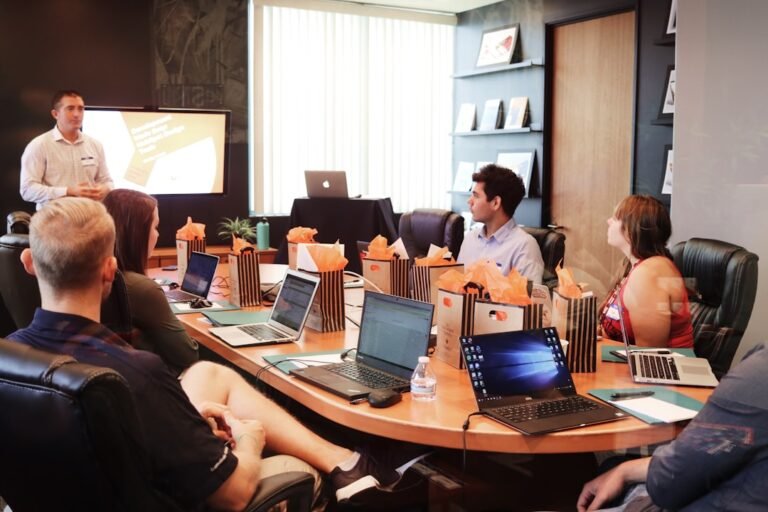
Verified 2026 succession-planning evidence covering skills gaps, talent availability, upskilling, leadership training, manager career support and internal pipeline metrics.

Verified Islamic finance statistics for 2026, including 2024 global asset data, sukuk issuance, green and sustainable sukuk, market coverage and careful interpretation of the evidence.

Current evidence on intergenerational communication at work, including age stereotypes, knowledge transfer, reverse mentoring and practical ways to improve collaboration across generations.

Current evidence on MOOC, professional-certificate and bootcamp participation, including micro-credentials, completion data and how to interpret outcome claims responsibly.

Current online learning statistics by country and age, using Eurostat and OECD data, plus a methodology guide explaining why participation and course completion rates should not be mixed.

A 2026 evidence review of global literacy rates, regional progress, gender gaps and the 739 million adults who still lack basic literacy skills, using current UNESCO UIS data.

What does current research say about personalized learning? A 2026 evidence review covering student outcomes, adaptive learning, AI-enabled personalization, implementation quality and evaluation metrics.

A source-checked 2026 guide to workplace communication statistics, covering communication overload, leadership gaps, change communication and how employers should interpret the data.

Remote and hybrid work data for 2026 show a mixed picture: U.S. job postings have shifted toward on-site roles while remote-capable employees still show strong demand for flexibility. See the evidence, dates and limits behind the trend.