Youth and Healthy Lifestyle Promotion Skills Course
View all 17 schedules
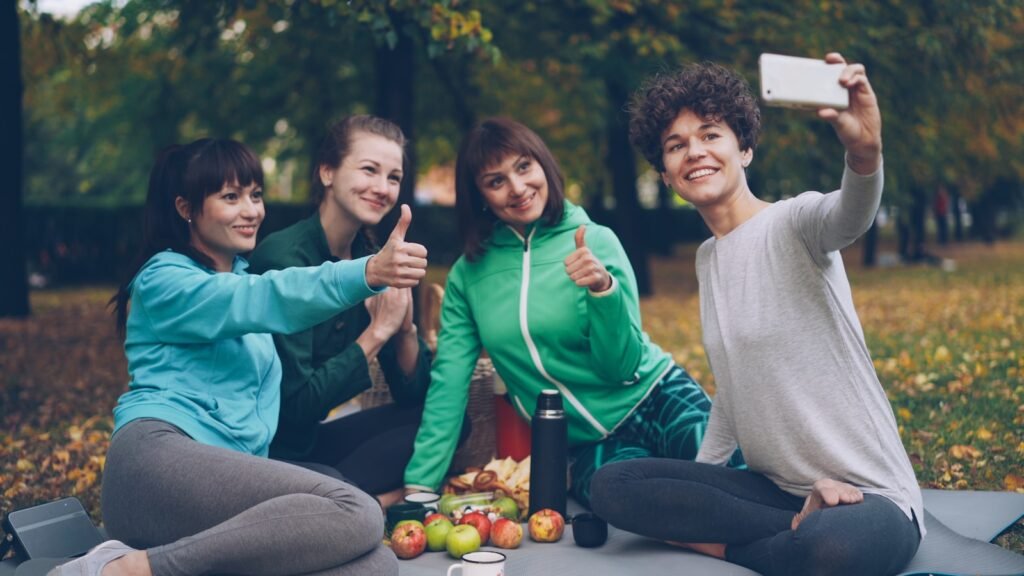
Health habits formed during adolescence tend to persist into adulthood, making youth-focused health promotion one of the highest-leverage interventions available to practitioners. This course builds practical skills for promoting healthy lifestyles among young people, covering nutrition, physical activity and mental wellbeing in ways that genuinely resonate rather than lecture.
Common challenges this course addresses:
- Your health education feels like lecturing and fails to genuinely change behaviour
- You struggle to make physical activity appealing to young people who see themselves as not athletic
- You are unsure how to address mental wellbeing alongside physical health in your programming
- Your nutrition education does not account for the real food environments young people actually live in
- You lack a framework for measuring whether your health promotion is genuinely changing behaviour
This course builds practical skills for health promotion that resonates with young people and genuinely changes behaviour.
Who Should Attend
Youth Workers
Practitioners integrating health promotion into broader youth programming.
School Health Educators
Staff delivering health education in school settings.
Community Health Workers
Those working specifically on youth health outcomes.
NGO Programme Staff
Staff running youth health and wellbeing initiatives.
Sports and Activity Coordinators
Those using physical activity as a health promotion tool.
Peer Educators
Young facilitators delivering health messages to their peers.
What You Will Leave With
Practical tools applicable immediately.
Why "Eat Healthier" Advice Usually Fails
The gap between idealised nutrition education and what's actually in the kitchen
a full range of fresh options
what's actually available
Programme Outline
Why this module matters: Health education that lectures rather than engages consistently fails to change behaviour, regardless of how accurate the information is.
- Moving from lecture-based to genuinely engaging health education
- Understanding what actually motivates behaviour change in young people
- Adapting health messaging for different ages and cultural contexts
Why this module matters: Physical activity and nutrition promotion require approaches grounded in young people's actual lives, not idealised assumptions about their circumstances.
- Making physical activity appealing to those who do not identify as athletic
- Realistic nutrition education within actual available food environments
- Practical, low-cost approaches to promoting healthy behaviours
Why this module matters: Mental wellbeing is inseparable from physical health promotion, and peer-led approaches often achieve reach and credibility adult-led programmes cannot.
- Integrating mental wellbeing content alongside physical health promotion
- Building and supporting peer educator programmes effectively
- Recognising when health concerns require referral beyond programme scope
Why this module matters: Health promotion should be evaluated against genuine behaviour change, not just programme attendance or awareness.
- Building simple, practical measures of genuine behaviour change
- Adjusting programming based on what measurement reveals
- Personal health promotion plan for your specific programme
Common Questions
Does the course address mental health specifically, or only physical health?
Both are addressed, with a dedicated segment on integrating mental wellbeing content into broader health promotion work, recognising the two are inseparable in practice.
Is this course relevant for programmes with very limited resources?
Yes. Practical, low-cost approaches are emphasised throughout, recognising that many youth programmes operate with limited budgets for health promotion activities.
Related Courses
Ready to Promote Health in Ways Young People Actually Respond To?
Build practical skills for genuine health behaviour change, not just health awareness.
Register Now📅 Upcoming Schedules — View dates and locations ▾
We run this course as a private programme for organisations. Bespoke dates, tailored content, group pricing.
Every course starts with a needs assessment and includes structured follow-up at three points after it ends.