Youth and Sustainable Development Strategies Course
View all 18 schedules
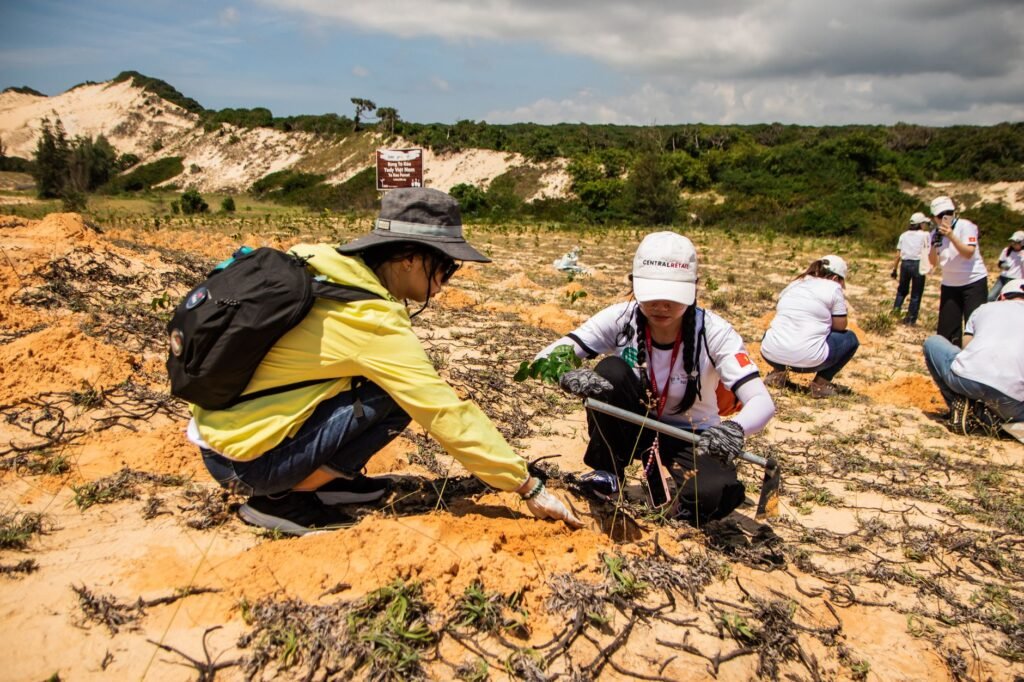
Young people are both the generation most affected by sustainable development challenges and an underused resource for addressing them. This course builds practical skills for practitioners to design and deliver programmes that meaningfully engage young people in sustainable development, moving beyond token participation to genuine youth-led impact.
Common challenges this course addresses:
- Your sustainability programmes involve young people superficially rather than giving them genuine leadership
- You struggle to make environmental education relevant to young people's immediate concerns and contexts
- You lack a framework for supporting youth-led sustainability initiatives rather than adult-directed ones
- You are unsure how to connect youth sustainability work to broader policy engagement
- Your programme measures activity but not genuine environmental or community impact
This course builds practical skills for genuine, youth-led sustainable development programming.
Who Should Attend
Environmental Programme Staff
Those designing youth-focused sustainability programmes.
Youth Workers
Practitioners integrating sustainability into broader youth programming.
Educators
Teachers building environmental education that genuinely engages students.
Government Programme Staff
Staff running national youth sustainability initiatives.
NGO Programme Managers
Those managing donor-funded youth sustainability projects.
Community Organisers
Those supporting youth-led community sustainability efforts.
What You Will Leave With
Practical tools applicable immediately.
Token Participation vs Genuine Leadership: A Quick Test
One question that reveals which one a programme actually is
plan adults already made
the plan and it would matter
Programme Outline
Why this module matters: Genuine youth leadership in sustainability work produces stronger outcomes and buy-in than adult-directed programmes with token youth involvement.
- The spectrum from token youth participation to genuine youth leadership
- Designing programmes that hand real decision-making to young people
- Case examples of genuinely youth-led sustainability initiatives
Why this module matters: Environmental education that feels abstract or disconnected from young people's daily reality consistently fails to produce lasting engagement.
- Connecting sustainability education to young people's immediate concerns
- Practical, hands-on approaches over purely theoretical instruction
- Adapting environmental content for different ages and contexts
Why this module matters: Young people often have genuine sustainability ideas that fail for lack of practical support rather than lack of merit.
- Practical frameworks for supporting youth-led project design and delivery
- Connecting young people to resources, mentorship and funding
- Balancing adult guidance with genuine youth ownership
Why this module matters: Sustainable development work benefits from connecting youth voice to policy processes and measuring genuine outcomes rather than activity alone.
- Pathways for connecting youth voice to sustainability policy processes
- Building impact measurement that captures environmental and community outcomes
- Personal programme design blueprint for your specific context
Common Questions
Does the course address specific environmental topics, or general sustainability strategy?
The course focuses on programme design and youth engagement strategy applicable across environmental topics, rather than technical environmental science content.
Is this course relevant for government as well as NGO practitioners?
Yes. The frameworks apply across government, NGO and community-based programme contexts, with practical exercises adapted to each participant's specific setting.
Related Courses
Ready to Build Genuinely Youth-Led Sustainability Programmes?
Move beyond token participation to real youth leadership in sustainable development work.
Register Now📅 Upcoming Schedules — View dates and locations ▾
We run this course as a private programme for organisations. Bespoke dates, tailored content, group pricing.
Every course starts with a needs assessment and includes structured follow-up at three points after it ends.