Environmental Education in Youth Programs: An Evidence-Based Design Guide
Design stronger youth environmental programmes using UNESCO guidance on climate learning, local investigation, experiential learning, youth voice, safeguarding and evaluation.

Design stronger youth environmental programmes using UNESCO guidance on climate learning, local investigation, experiential learning, youth voice, safeguarding and evaluation.

Evidence-based guide to strategic thinking and decision making, covering problem framing, assumptions, alternatives, cognitive bias, challenge processes, trade-offs and review triggers.

Practical guide for new managers covering expectations, delegation, feedback, decision-making, conflict, time management, coaching and a structured 90-day development plan.

Current guide to AI and technology in professional training, covering skills data, simulation, mobile learning, analytics, privacy, governance and workplace learning transfer.

Evidence-based guide to emotional intelligence in leadership, including self-awareness, regulation, empathy, feedback, conflict, assessment limits and behavioural development.

Evidence-based guide to when employee training improves job performance, how learning transfers to work, why application fails and how to measure behaviour after training.
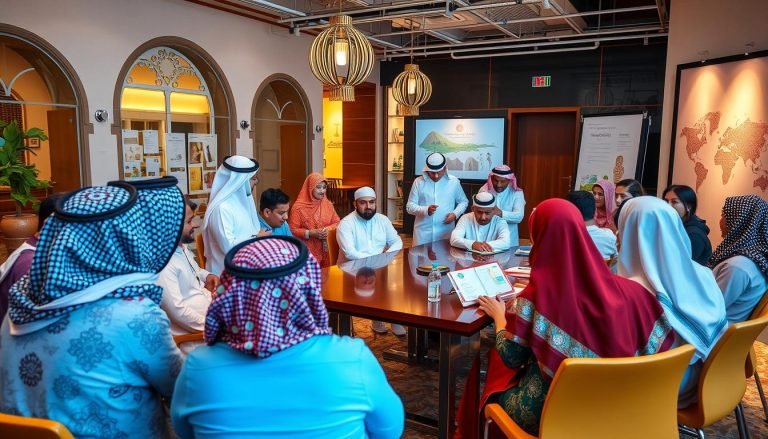
Design cross-cultural training for Gulf workplaces that builds cultural intelligence, challenges assumptions and gives teams practical ways to handle hierarchy, feedback and disagreement.

Current Nigeria evidence on women’s labour-force participation, employment, unemployment, self-employment and informality using official and international data sources.

Current guide to career choices among young Nigerians, covering labour demand, education routes, skills mismatch, family constraints, gender and career guidance.

Practical guide to administration skills training covering communication, coordination, records, prioritisation, spreadsheets and how to measure whether workplace performance improves.