
What Is Supply Chain Project Management? A Complete Guide
August 2, 2026 · Supply Chain Management · 10 min read
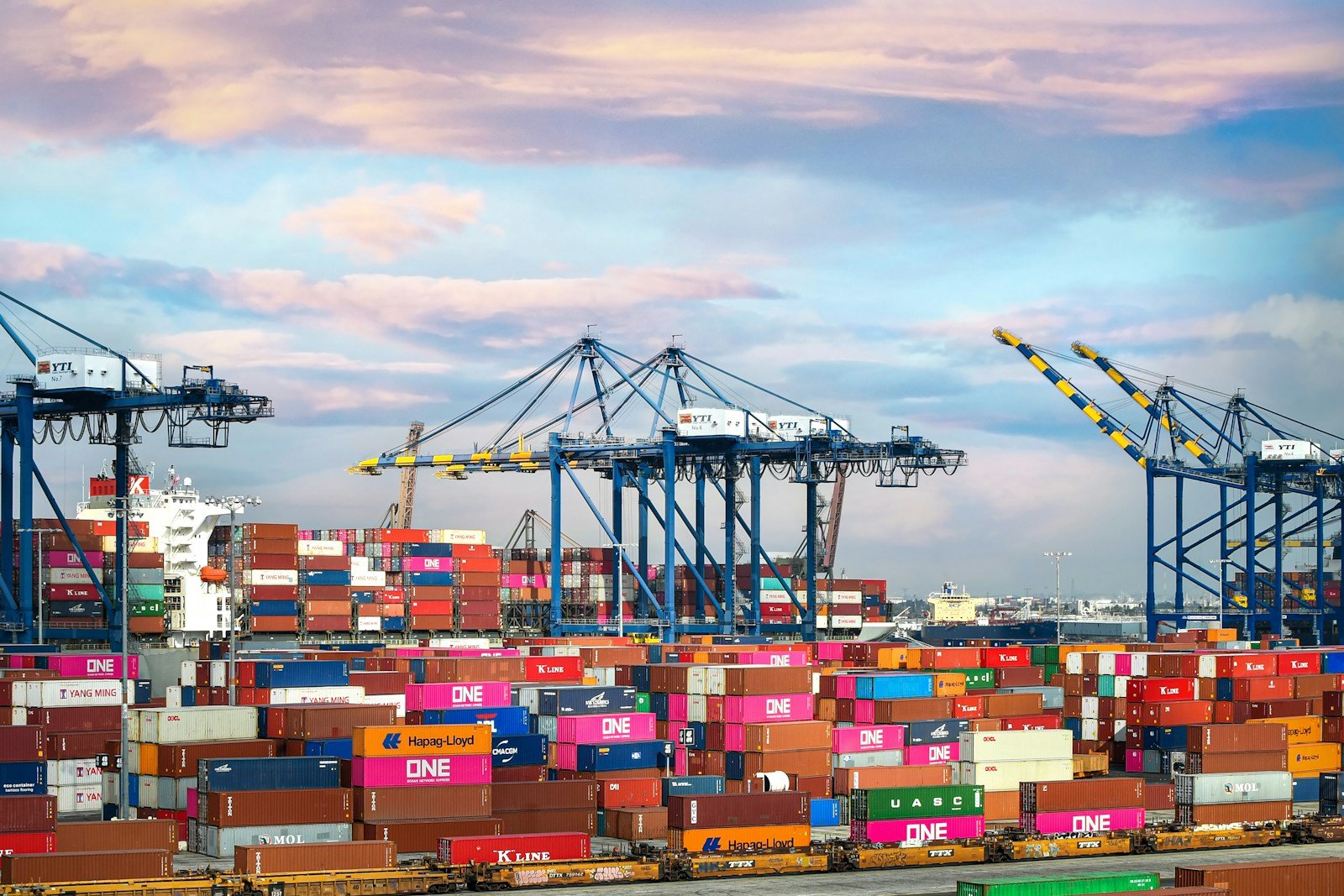
Supply chain project management combines the discipline of delivering temporary change with knowledge of supply-chain processes, suppliers, logistics, systems and operational continuity.
What Is Supply Chain Project Management?
Supply chain project management is the application of project management principles, tools and methodologies to supply chain initiatives — including the design, implementation, improvement, or transformation of supply chain processes, systems, and relationships.
Industry framework: ASCM’s SCOR Digital Standard describes end-to-end supply chain management through seven primary processes — Orchestrate, Plan, Order, Source, Transform, Fulfill and Return — and links those processes to performance, practices and people. For a supply chain project manager, SCOR provides the supply-chain process and measurement map, while project-management methods provide the structure for delivering a temporary change initiative. See the ASCM SCOR Digital Standard guide.
Unlike routine supply chain operations (which run continuously), supply chain projects are temporary endeavours with defined start and end points, specific deliverables, allocated budgets, and cross-functional teams. They include:
- Implementing a new Warehouse Management System (WMS) or ERP module
- Opening a new distribution centre or warehouse
- Onboarding a new major supplier or switching from one supplier to another
- Designing and launching a new product’s supply chain from scratch
- Nearshoring or reshoring supply chain operations after a disruption
- Implementing supply chain sustainability or ESG compliance programs
- Conducting a supply chain risk assessment and building resilience frameworks
- Integrating a newly acquired company’s supply chain into an existing network
How Supply Chain Management and Project Management Differ
Supply Chain Operations vs Supply Chain Projects
Supply chain operations are ongoing, repetitive processes: receiving purchase orders, managing inventory levels, coordinating shipments, processing invoices. These processes run continuously and are optimised over time. Supply chain projects, by contrast, are one-time initiatives that change those ongoing processes. Implementing a new inventory management system is a project. Running the system after implementation is an operation.
Project Management Methodology Applied to Supply Chain
Supply chain project managers draw on established project management methodologies — particularly PMI’s PMBOK framework, PRINCE2, and Agile/Scrum variants — and adapt them for supply chain contexts. The triple constraint (scope, time, cost) applies equally to supply chain projects, but supply chain complexity adds dimensions: supplier relationships, regulatory requirements across jurisdictions, physical infrastructure constraints, and the operational continuity requirement (supply chains often cannot simply pause during a transformation).
The Five Phases of a Supply Chain Project
1. Initiation
Define the problem or opportunity, establish the business case, identify key stakeholders, and secure executive sponsorship
2. Planning
Define scope, build project schedule, allocate budget, identify risks, assemble team, and map supplier and partner dependencies
3. Execution
Coordinate people and resources, manage stakeholder communication, track progress against plan, handle supplier negotiations
4. Monitoring and Control
Track KPIs, manage scope changes, report to stakeholders, resolve issues, manage supply chain risks in real time
5. Closure
Complete deliverables, hand over to operations, document lessons learned, release resources, confirm benefit realisation
Key Challenges Unique to Supply Chain Projects
Supply chain projects have specific complexity dimensions that general project management training does not adequately prepare practitioners for:
Multi-party coordination: Supply chain projects involve suppliers, logistics providers, customs authorities, technology vendors, and internal departments simultaneously. Unlike IT projects where the project team controls most variables, supply chain project managers must influence parties over whom they have no authority — requiring negotiation, relationship management, and incentive design skills.
Operational continuity: Most supply chain transformations must happen while the supply chain keeps running. You cannot pause shipments to implement a new warehouse system. This creates parallel running requirements, cutover planning, and contingency design that add significant complexity compared to greenfield projects.
Geographic and regulatory complexity: Supply chain projects often span multiple countries, each with different regulatory requirements, customs procedures, labour laws, and infrastructure constraints. A project to consolidate warehouse operations across the GCC involves UAE, Saudi, Kuwaiti and Qatari regulatory environments simultaneously.
Data quality problems: Supply chain transformation projects almost always encounter data quality issues — inaccurate inventory records, incomplete supplier master data, inconsistent product classifications. These problems are only discovered during implementation, creating scope and timeline pressure that was not anticipated during planning.
Change management at scale: Supply chain projects affect warehouse staff, procurement teams, logistics coordinators, finance, and often frontline retail or manufacturing operations. Managing this breadth of stakeholder change while maintaining morale and operational performance is one of the most underestimated challenges in supply chain project management.
Supply Chain Project Management Methodologies
| Approach | When it may fit | What to consider |
|---|---|---|
| Predictive / sequential | Work with stable scope, physical dependencies, fixed contractual milestones or tightly controlled change | Useful where sequencing and formal approvals matter; less flexible when requirements are still emerging |
| Iterative / agile | Software, analytics or process-design components where requirements can evolve | Supports frequent feedback and adaptation; still needs integration with operational and contractual constraints |
| PRINCE2 or other governance frameworks | Organisations that use a defined governance method for roles, stages, business case and control | Governance framework choice should follow organisational requirements rather than project sector alone |
| Lean Six Sigma / DMAIC | Data-led process-improvement work | Primarily a process-improvement approach, not a complete substitute for project governance |
| Hybrid | Projects combining physical, contractual, operational and digital components | Combine approaches deliberately around uncertainty and dependency instead of assuming one default hybrid formula |
Project Management vs Supply Chain Management: What Is the Difference?
Supply chain management is an ongoing operational discipline. It keeps procurement, inventory, logistics, suppliers and distribution working day after day. Project management is temporary and change-focused. It brings people, budgets and deadlines together to deliver a defined outcome.
| Area | Supply Chain Management | Project Management |
|---|---|---|
| Primary purpose | Run and improve ongoing supply chain operations | Deliver a defined change or outcome |
| Time horizon | Continuous | Fixed start and finish |
| Typical measures | Cost, service level, lead time, inventory and reliability | Scope, schedule, budget, risk and benefits delivered |
| Typical responsibility | Maintain the supply network | Change, expand or redesign the supply network |
In practice, supply chain project management sits between the two disciplines. A supply chain project manager might lead a warehouse-management-system rollout, move production to a new supplier, open a distribution centre, redesign a transport network, implement cold-chain controls or coordinate a major procurement transformation. The project uses standard project-management disciplines, but the decisions require real supply chain knowledge.
Where SCM Fits Into Project Management
SCM in project management becomes especially important when a project depends on materials, suppliers, transport, inventory or cross-border delivery. Construction projects, product launches, manufacturing expansions and humanitarian programmes can all fail if procurement and logistics are treated as afterthoughts. The project manager therefore needs a clear supply strategy, supplier milestones, lead-time assumptions and risk controls built into the project plan from the beginning.
Core Skills for Supply Chain Project Managers
Project Scheduling and Planning
Building work breakdown structures (WBS), critical path analysis, resource loading, milestone tracking, and managing schedule compression when projects fall behind.
Stakeholder Management
Identifying stakeholders across the extended supply chain, managing competing interests, building coalitions, and communicating effectively at board, management and operational levels simultaneously.
Risk Management
Supply chain risk identification (supplier failure, geopolitical disruption, weather events, demand volatility), probability and impact assessment, mitigation strategy design, and contingency planning.
Supplier Negotiation
Negotiating contracts, service level agreements (SLAs), pricing, lead times, and terms with suppliers and logistics providers as part of supply chain transformation initiatives.
Data Analysis
Supply chain projects generate large volumes of data. Proficiency in Excel, Power BI, and increasingly Python or SQL is increasingly expected for analysis of inventory data, supplier performance, and logistics KPIs.
Change Management
Structured change management (Prosci ADKAR, Kotter’s 8 Steps) applied to supply chain transformation — building awareness, desire, knowledge, ability and reinforcement across operational teams who will use new processes and systems.
Supply Chain Project Management in the GCC
GCC markets are seeing substantial supply chain transformation activity across logistics, manufacturing, food security, technology and major development programmes. The scale and project mix vary by country and sector.
National diversification programs: Saudi Vision 2030, UAE Industrial Strategy 2031, Qatar National Vision 2030 and equivalent programs in Bahrain, Kuwait and Oman are all driving significant investment in domestic supply chain capability. This includes new logistics hubs, manufacturing facilities, cold chain infrastructure, and technology platforms — all of which require project management to deliver.
E-commerce and fulfilment: E-commerce growth and service expectations are increasing pressure on fulfilment, last-mile delivery, inventory visibility and returns across Gulf markets, but the scale varies by country and segment.
Food security: All GCC countries have made food security a strategic priority following pandemic-era supply chain disruptions. Building domestic food production, storage and distribution capability requires complex supply chain projects across multiple government and private sector stakeholders.
Expo and major events legacy: Dubai Expo 2020, Saudi Vision 2030 mega-projects (NEOM, The Line, Red Sea Project), Qatar 2022 World Cup, and upcoming events create massive supply chain project requirements for construction materials, food service, hospitality and retail.
Supply Chain Project Management in Africa
Africa’s supply chain project management landscape is defined by infrastructure development, agricultural value chain improvement, and health supply chain strengthening.
Infrastructure, health, agriculture and trade projects across African markets can create complex procurement and logistics requirements. The relevant demand should be discussed by sector and country rather than converted into one continent-wide project-count claim.
The pharmaceutical and health supply chain is a critical shortage area. Cold chain management for vaccines and medications, last-mile delivery in rural areas, and inventory management for essential medicines require dedicated supply chain project management capability that most African health systems are building from scratch.
AfCFTA implementation is creating demand for supply chain project managers who can help companies redesign their distribution networks to serve the 54-country single market rather than country-by-country operations.
Career Paths in Supply Chain Project Management
| Role | Experience | Typical Background | Compensation Context |
|---|---|---|---|
| Supply Chain Project Coordinator | 0-3 years | Logistics, procurement, operations | Varies by market and employer |
| Supply Chain Project Manager | 4-8 years | SCM + project management experience | Varies by market and employer |
| Senior Supply Chain PM / Program Manager | 8-15 years | Multiple large-scale implementations | Varies by market and employer |
| VP / Director Supply Chain Transformation | 15+ years | End-to-end transformation leadership | Varies by market and employer |
Build Supply Chain and Project Management Skills
Matsh’s supply chain and project management courses are designed for professionals across the GCC, Africa and internationally. Practical skills that apply directly to real supply chain transformation challenges.
Frequently Asked Questions
What is supply chain project management?
Supply chain project management is the application of project management principles, tools and methodologies to supply chain improvement, transformation, or implementation initiatives. It applies structured planning, stakeholder management, risk management, and change management to one-time supply chain initiatives — as distinct from the ongoing operational management of established supply chain processes.
What is the difference between supply chain management and supply chain project management?
Supply chain management covers the ongoing coordination of sourcing, procurement, production, logistics and delivery. Supply chain project management applies project management disciplines to one-time supply chain change initiatives — implementing new systems, building new facilities, transforming processes, or integrating new suppliers. Both require deep supply chain knowledge; project management adds structured delivery methodology for change initiatives.
What qualifications are useful for supply chain project management?
Relevant qualifications include the Project Management Professional (PMP) certification from PMI, PRINCE2, the APICS Certified Supply Chain Professional (CSCP), and CIPS procurement qualifications. Lean Six Sigma Green or Black Belt certification is valuable for supply chain improvement projects. Many successful supply chain project managers combine domain experience with a project management qualification rather than holding a single credential.
Is supply chain project management a good career?
It can be a strong career path for professionals who combine supply chain knowledge with project-delivery capability. Demand, compensation and progression vary by country, sector, employer and experience, so current job postings and local salary data are better guides than a universal market claim. In the GCC, national development programmes are creating supply chain transformation work across sectors, but the scale and role mix differ by market.
Which project management methodology is best for supply chain projects?
There is no single best methodology for supply chain projects. The delivery approach should fit the uncertainty, contractual dependencies, physical infrastructure, regulatory constraints and technology components of the initiative. Predictive, iterative and hybrid approaches can all be appropriate when selected deliberately for the work being delivered.
Need In-House Training?
We run all our courses as private programmes for organisations across the GCC and Africa.
Request In-House →