Intergenerational Youth Leadership Programs: Designing Meaningful Youth–Adult Partnerships
August 2, 2026 · Education · 5 min read
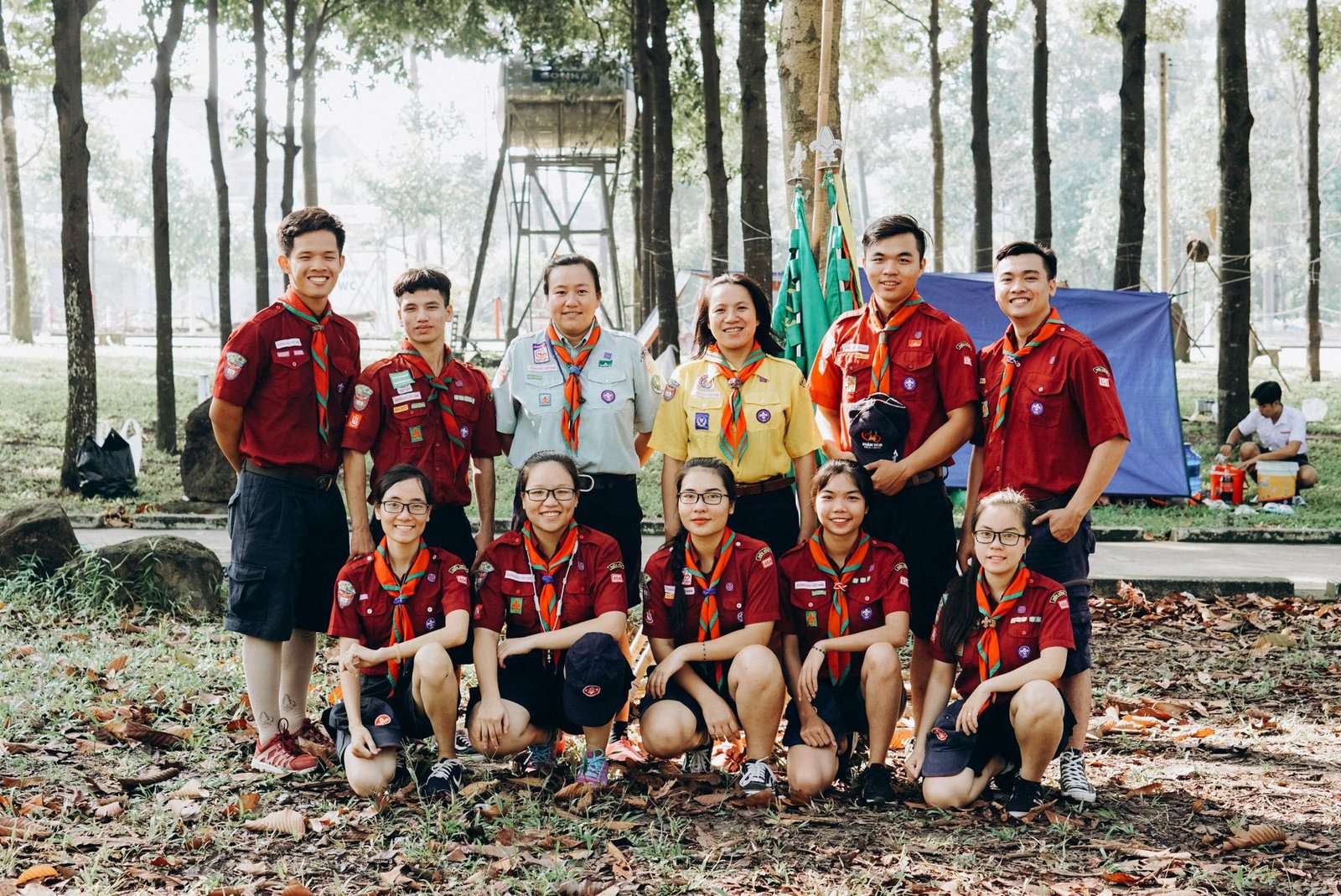
Intergenerational youth programmes bring young people and adults together to learn, make decisions and work on shared problems. They can strengthen youth leadership when young people have genuine influence, responsibility and access to experienced mentors. They are much less useful when adults retain all authority and youth participation is mainly symbolic.
The design principle is therefore not “pair a young person with an older mentor”. It is to create a structure in which experience and youth perspectives can both shape decisions and action.
Meaningful youth participation is more than consultation
UNESCO’s 2026 Youth Report, Lead with youth, examines youth and student participation in education decision-making. It highlights a recurring gap: formal consultation mechanisms may exist without giving young people meaningful influence over the policies and systems that affect them.
Source: UNESCO Global Education Monitoring Report, 2026 Youth Report
That distinction applies to youth programmes more broadly. Asking for opinions is not the same as sharing decisions, budgets, project ownership or evaluation.
Intergenerational programmes should create real roles for young people
Useful roles can include:
- co-designing programme priorities;
- serving on advisory or governance groups;
- co-facilitating workshops;
- leading community research;
- managing part of a project budget;
- presenting evidence to decision-makers;
- mentoring younger participants;
- evaluating what worked and what should change.
The level of responsibility should fit the participants’ age, safeguarding requirements, experience and the consequences of the decision.
UNICEF’s current work treats youth as partners, not only beneficiaries
The UNICEF Innocenti Youth Fellowship is part of UNICEF’s intergenerational governance and youth-participation work. It describes a model in which young people are engaged as partners through collaborative learning, mentorship, peer exchange, research and strategic convening.
Source: UNICEF Innocenti Youth Fellowship
The 2026–2027 fellowship includes 12 youth fellows from countries across UNICEF regions and focuses on youth-led research, foresight and climate-education practice. This is a current example of intergenerational programme design, not proof that every mentorship model will produce the same outcomes.
Mentorship works best when it supports agency
UNICEF’s UPSHIFT programme describes mentors as part of the “human infrastructure” that helps young people move ideas into action. UPSHIFT operates across many countries and combines mentorship with youth-led innovation and practical problem-solving.
Source: UNICEF Office of Innovation, Leadership without authority, 2026
A mentor should therefore do more than give advice. Useful mentoring can help a young participant:
- clarify the problem they want to solve;
- test assumptions;
- build a plan;
- connect with people or resources;
- reflect on decisions;
- recover from setbacks;
- take increasing ownership over time.
Avoid tokenism
UNICEF Innocenti’s 2025 Beyond Being Heard paper is based on intergenerational consultations with 120 children and young people aged 12–23, UNICEF staff and civil-society experts across four regions. It highlights barriers that make youth participation unequal, unrepresentative or tokenistic and argues for genuine partnership.
Source: UNICEF Innocenti, Beyond Being Heard, 2025
Warning signs of tokenism include:
- young people are invited only after decisions are already made;
- one highly confident young person is expected to represent all youth;
- adult language or meeting formats make participation inaccessible;
- youth suggestions are collected but never answered;
- young people are visible in communications but absent from decision rights;
- participation creates costs or safety risks that adults have not addressed.
Build safe and accessible participation
Young participants may face barriers involving transport, school or work schedules, disability, language, internet access, family responsibilities or safeguarding concerns.
Programme design can include:
- clear safeguarding and consent processes;
- accessible meeting formats;
- transport or connectivity support where needed;
- reasonable scheduling;
- multiple ways to contribute;
- clear routes to report concerns;
- appropriate adult supervision without taking over the work.
Share power deliberately
Not every decision can or should be delegated to youth participants. The important step is to make decision authority explicit.
| Decision type | Possible youth role |
|---|---|
| Programme topics | Co-decide priorities |
| Activity design | Co-design or youth-led design |
| Safeguarding policy | Consult and test usability; adult/legal accountability remains |
| Community project choice | Youth-led selection within agreed criteria |
| Budget use | Defined youth decision authority with controls |
| Evaluation | Youth co-researchers and interpreters of findings |
Intergenerational work should be reciprocal
Adults bring experience, institutional knowledge and networks. Young people bring lived experience of the issues affecting them, current peer perspectives and different ideas about technology, culture and communication.
The programme should create learning in both directions. If adults are defined only as experts and young people only as recipients, the design is not truly intergenerational.
Use real projects to develop leadership
Leadership skills are easier to develop when participants have responsibility for something real. Projects can involve community research, education, climate action, entrepreneurship, public-space design, digital campaigns or service improvement.
UNESCO’s youth programmes combine capacity building, mentorship and community action rather than relying on classroom leadership theory alone.
Source: UNESCO Youth for Peace Intercultural Leadership Programme, 2026
Measure more than confidence
A programme can make participants feel more confident without giving them meaningful influence. Evaluation should therefore separate:
- leadership knowledge or skill;
- confidence and self-efficacy;
- actual decision responsibility;
- quality of youth-adult collaboration;
- project implementation;
- community or policy influence;
- continued participation after the programme.
Do not claim that a programme increases conflict-resolution skill by 78% or project sustainability by 63% unless the original evaluation, sample and measure can be verified.
Use a participation feedback loop
Young people should know what happened to their contribution. After consultations or decisions, explain:
- what was heard;
- what changed as a result;
- what could not change;
- why;
- what happens next.
This makes participation credible and helps young leaders understand real institutional constraints.
A practical intergenerational youth-leadership model
- Define the issue young people will help shape.
- Recruit diverse participants rather than only the easiest voices to reach.
- Clarify adult and youth decision rights.
- Build safeguarding and accessibility into the design.
- Use mentorship to support agency, not replace it.
- Give participants a real project or decision.
- Create reciprocal learning between generations.
- Measure influence and action as well as confidence.
- Close the feedback loop.
Intergenerational youth leadership is strongest when young people are neither left unsupported nor invited only for appearance. The goal is structured partnership: adults bring experience and access, young people bring lived knowledge and leadership, and both share responsibility for creating something useful.
Related MATSH resources
For community-led youth participation and safeguarding, see Youth Volunteer Programs in MENA. For programme measurement and evidence, see Monitoring and Evaluation for NGOs.
Sources
Need In-House Training?
We run all our courses as private programmes for organisations across the GCC and Africa.
Request In-House →