
Youth Program Facilitation Skills Course
View all 18 schedules
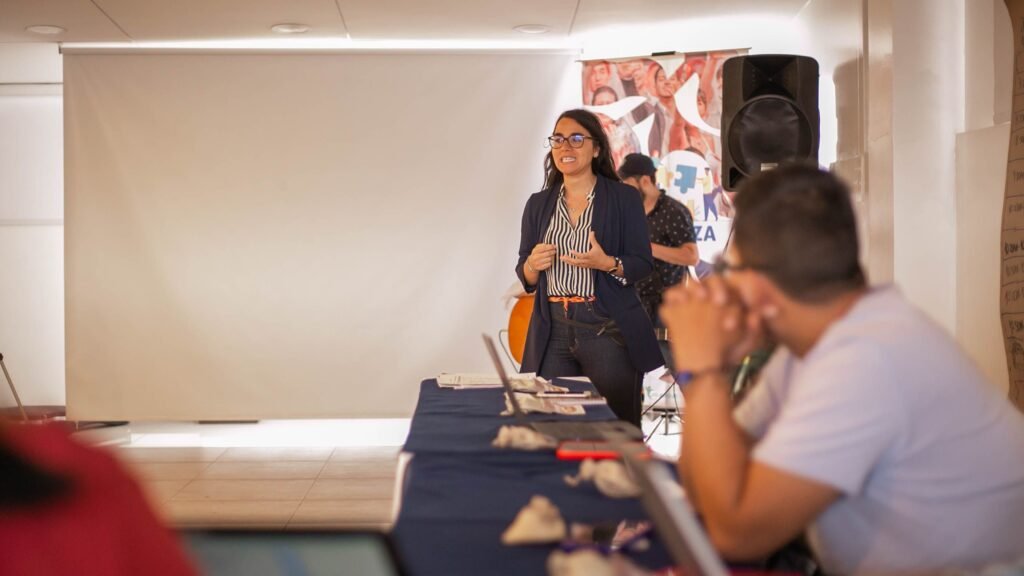
The difference between a youth session that genuinely engages participants and one that loses them within minutes usually comes down to facilitation skill, not content quality. This course builds practical facilitation techniques specifically for youth settings, covering session design, group dynamics management and engagement strategies that work across different ages and contexts.
Common challenges this course addresses:
- You have strong content but struggle to keep a group of young people genuinely engaged throughout a session
- You are unsure how to manage disruptive behaviour without damaging rapport with the group
- Your sessions work well with some age groups but fail with others
- You lack techniques for drawing out quieter participants without singling them out uncomfortably
- You default to lecturing rather than genuinely interactive facilitation
This course builds the practical facilitation techniques that keep young people genuinely engaged, session after session.
Who Should Attend
Youth Workers
Practitioners delivering regular sessions with young people.
Educators
Teachers wanting more interactive, engaging facilitation techniques.
NGO Programme Staff
Staff facilitating workshops and sessions in development contexts.
Volunteers and Mentors
Those facilitating group activities with young people.
Programme Coordinators
Those training facilitators across their organisation.
Camp and Activity Leaders
Those managing group engagement in informal settings.
What You Will Leave With
Practical tools applicable immediately.
Why the First Five Minutes Decide the Whole Session
The pattern behind "great content, lost the room anyway"
signals a passive session
the expectation immediately
Programme Outline
Why this module matters: Well-designed sessions hold attention more easily, while poorly designed sessions require constant facilitator effort to hold attention.
- Structuring sessions to sustain attention throughout, not just at the start
- Building variety and interaction into session design deliberately
- Planning for different group sizes and physical settings
- Learning objectives, timing, materials and a back-up plan for every session
- Openers, energisers and closing reflections that frame and consolidate learning
- Practice: design a 45-minute session plan with an active opener and a reflection close
Why this module matters: Group dynamics in youth settings require specific management techniques that differ meaningfully from adult facilitation.
- Managing disruptive behaviour without damaging rapport with the group
- Reading group energy and adjusting facilitation in real time
- Handling conflict between participants during sessions
- Ground rules built with the group, and consistent, respectful follow-through
- Safe space, confidentiality limits and when to escalate concerns under your organisation's safeguarding rules
- Practice: role-play three disruption scenarios and compare responses that protect rapport
Why this module matters: Facilitation techniques that work brilliantly with one age group often fail completely with another, and adapting appropriately is a core skill.
- Adapting facilitation style for different developmental stages
- Drawing out quieter participants without uncomfortable exposure
- Interactive techniques that replace lecturing with genuine engagement
- Facilitating mixed-gender and mixed-ability groups respectfully in different cultural contexts
- Virtual and hybrid facilitation: polls, breakouts and keeping cameras-off participants involved
- Practice: adapt one activity for two different age groups and one online setting
Why this module matters: Facilitation is a practised skill, and this final module builds direct practice alongside a concrete improvement plan.
- Practising facilitation techniques on realistic session scenarios
- Receiving structured feedback on facilitation style
- Self-reflection tools and peer observation checklists for continued growth
- Collecting participant feedback after sessions and acting on it
- Deliverable: a personal facilitation development plan with a session plan, feedback tool and three improvement goals
Common Questions
Does the course address facilitating both small and large groups?
Yes. Techniques are covered for both intimate small group settings and larger group facilitation, since the challenges and appropriate techniques differ significantly between them.
Is this course relevant for online or virtual youth session facilitation?
Yes. A segment specifically addresses maintaining engagement and managing group dynamics in virtual or hybrid youth sessions.
Related Courses
Ready to Facilitate Sessions That Genuinely Engage Young People?
Build practical facilitation skills that keep engagement high across ages and group settings.
Download the latest course brochure
A new PDF will be prepared using the current course information and published training dates and fees for the next eight months.
📅 Upcoming Schedules — View dates and locations ▾
We run this course as a private programme for organisations. Bespoke dates, tailored content, group pricing.
Every course starts with a needs assessment and includes structured follow-up at three points after it ends.