Youth Work in Saudi Arabia: What Vision 2030 Actually Means for Youth Development Professionals
May 14, 2026 · Youth Development · 6 min read
The Scale of the Opportunity — and the Challenge
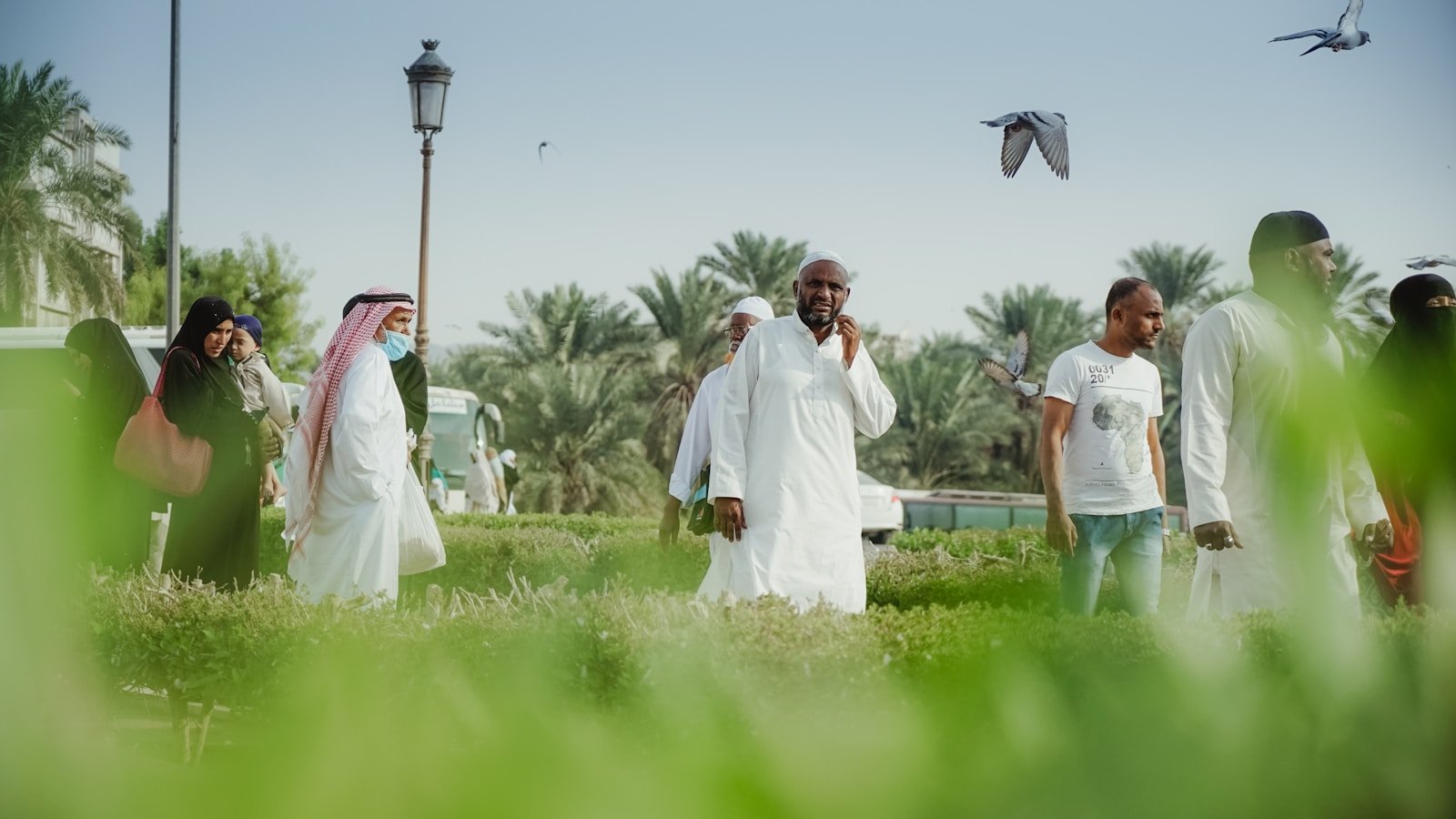
Saudi Arabia has one of the youngest populations of any country in the world. Approximately 70% of Saudi citizens are under 35, with around 30% — roughly 10.5 million people — falling in the 15–29 age bracket that most youth development programmes target. This is a vast population of young people navigating a labour market and a society that are changing at a pace unprecedented in the Kingdom’s history.
Before Vision 2030, the default path for young Saudis was relatively clear: study, then join the government. That pathway is deliberately being disrupted. The Vision targets raising private sector employment from around 40% of the workforce to 65%, and reducing youth unemployment from approximately 12% to 7%. These are not aspirational — they’re tracked quarterly, they affect ministerial accountability, and they are reshaping what youth development practitioners are expected to deliver.
The Key Programmes You Need to Know
Misk Foundation — The Most Important Player in Youth Leadership
The Mohammed bin Salman Foundation (Misk) is the most significant funding and partnership body for youth development in Saudi Arabia. Established with a mandate to equip Saudi youth for the knowledge economy, Misk operates programmes in entrepreneurship, innovation, STEM, arts, and leadership — and increasingly works with international organisations that can bring tested methodology and delivery capacity.
For any organisation seeking funding or partnership in the Saudi youth space, Misk’s framework is the starting point. Their preferred partners demonstrate: evidence-based programme design, rigorous M&E, genuine youth participation in programme development, and — critically — sensitivity to Saudi cultural values and Vision 2030 priorities. Generic international approaches presented without contextualisation consistently fail at the partnership stage.
Qudorat — Human Capital Empowerment
The Qudorat initiative focuses specifically on upskilling and reskilling Saudi nationals for private sector employment. This has created growing demand for career counselling practitioners, employability skills trainers, vocational guidance professionals, and entrepreneurs who can deliver structured job-readiness programmes. Youth workers who can deliver these interventions — not just community engagement or leadership development — are increasingly in demand across the Kingdom.
Saudi Seasons and the Cultural Economy
Vision 2030’s cultural liberalisation — the expansion of entertainment, the development of tourism infrastructure, the opening of the arts sector — has created an entirely new category of youth employment and youth development context. Young people are increasingly engaged through cultural programming, not just traditional education or social welfare settings. Youth workers able to design and facilitate programmes in these new environments are gaining significant competitive advantage.
The National Transformation Programme (NTP)
Youth-specific targets within the NTP include measurable increases in volunteer participation, cultural engagement, sports participation, and employment. Organisations delivering youth programmes are increasingly expected to align their reporting to these national KPIs — which means M&E frameworks that can capture this data, and practitioners who know how to use them.
The Skills That Are Now In Demand
Based on conversations with organisations delivering youth programmes in Saudi Arabia, and analysis of the skill requirements emerging from Vision 2030 programming, here are the competencies that distinguish competitive practitioners in 2026:
📊 Outcomes-Based Programme Design
Funders and ministries require logframe-based design with quantifiable impact metrics — not activity descriptions. Practitioners who can build a complete programme plan with measurable indicators are in significantly higher demand.
🚀 Youth Entrepreneurship Facilitation
Supporting young Saudis in developing entrepreneurial mindsets, business planning skills, and startup thinking — aligned to Misk’s programming priorities and Vision 2030’s private sector development goals.
💼 Employability Coaching
Helping young people transition from education into private sector employment — career planning, CV development, interview skills, workplace readiness — delivered as structured programmes, not one-off sessions.
📋 Monitoring & Evaluation
The ability to design data collection tools, track indicators, and produce funder-quality reports is now a baseline expectation for programme leads — not a specialist skill for a separate M&E team.
🤝 Participatory Facilitation
Co-designing programmes with young people as active participants, not passive recipients — an approach increasingly required by international funders and becoming an expectation in Saudi government contracting.
🛡️ Safeguarding & Child Protection
Required by all international funders and increasingly expected by Saudi government bodies. Understanding safeguarding frameworks relevant to the GCC context is now a baseline competency for programme staff.
Matsh’s Youth Program Planning, Monitoring and Evaluation course is built around the frameworks most valued by Saudi funders — logframe design, participatory needs assessment, and outcomes-based reporting.
What Distinguishes Successful Organisations in This Space
Over the past three years, organisations that have successfully won partnerships and contracts in the Saudi youth space consistently share one characteristic: they demonstrate genuine contextual understanding, not just international credibility. The Kingdom is not looking for organisations that have worked in youth development globally and can show impressive portfolios from other countries. It’s looking for partners who understand Vision 2030’s specific objectives, who can work within Saudi cultural and religious norms, who can deliver in Arabic as well as English, and who can show their programmes work in this specific context.
— Programme Director, international youth organisation operating in KSA
Practical Implications for Youth Workers and Organisations
If you’re a youth development practitioner working in Saudi Arabia or planning to, or if you’re an organisation seeking to enter or grow in the Saudi market, the practical implications are these:
- Get rigorous on programme design. The era of describing what you’ll do and reporting what happened is over. Funders want logframes, theory of change documents, baseline measurements, and evaluation plans — before the programme starts.
- Build M&E into your core capacity. Not as something you outsource to a consultant for the final report, but as an ongoing practice that generates evidence of impact throughout delivery.
- Understand the landscape. Know who Misk is, what Qudorat is doing, how the NTP youth targets are tracked. Walk into any partnership conversation having done this homework.
- Develop Arabic language capacity. Even if your programmes operate in English, having team members who can communicate in Arabic at the relationship-building level is a significant advantage.
- Invest in staff training. The organisations with the strongest Saudi partnerships have invested systematically in developing their staff’s programme design, M&E, and facilitation skills — not just their technical content expertise.
Building the Skills to Compete
Matsh has worked with youth development professionals across Saudi Arabia, UAE, Jordan, Kenya, and Nigeria since 2017. We’ve trained over 600 practitioners in programme design and M&E, and our courses are built around the frameworks that resonate with GCC funders and government partners.
Our Youth Program Planning, Monitoring and Evaluation course covers exactly the skills in demand: logframe construction, participatory needs assessment, M&E framework design, and proposal writing for international and Gulf funders. Our Youth Development Management Skills programme addresses the operational leadership competencies for running programmes in government, NGO, and private sector contexts in the region.
For organisations wanting to train entire teams, both programmes are available as in-house workshops tailored to your specific context and sector. Contact us to discuss your requirements.
→ Browse all Youth Development courses · View upcoming dates in Riyadh and Dubai
Related reading: Implementing Experiential Learning in Youth Programs · Community Building Activities for Youth · Youth Unemployment vs Skill Development Access · Youth Empowerment Frameworks Globally
Need In-House Training?
We run all our courses as private programmes for organisations across the GCC and Africa.
Request In-House →