
Islamic Finance Explained: A Practical Guide to Sharia-Compliant Business
September 28, 2026 · Professional Development · 8 min read
Islamic finance is not conventional finance with Arabic labels
The practical difference starts much earlier than the contract name. A Sharia-compliant transaction is designed around rules concerning interest, excessive uncertainty, gambling, permitted economic activity, ownership, risk and the link between finance and real economic activity. That means the useful question is not “Which Islamic product replaces this conventional one?” but “What economic transaction are the parties actually entering into, what do they own, what risks do they carry and how is the return earned?”
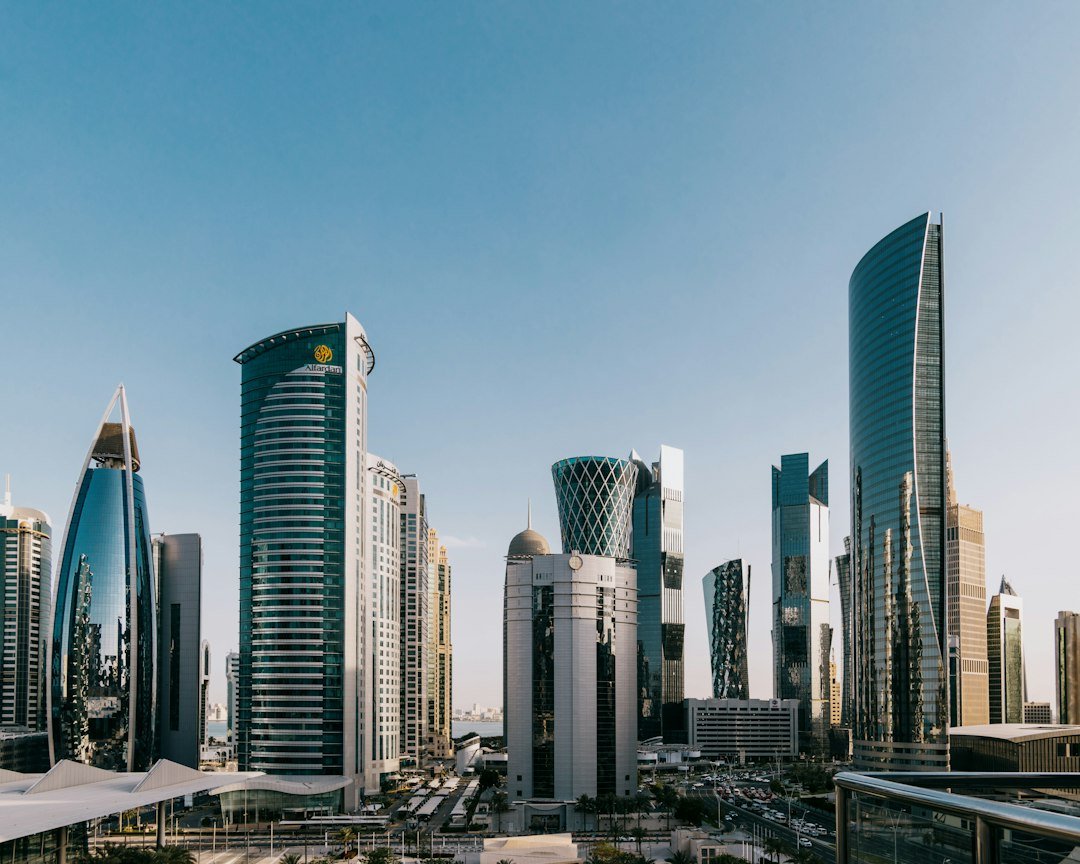
Islamic finance is now a mainstream part of the financial system in many markets, particularly across the GCC and Southeast Asia. LSEG’s 2025 Islamic Finance Development Report says global Islamic finance assets reached US$5.98 trillion in 2024. Scale, however, does not make the structures self-explanatory. Professionals still need to understand what makes a transaction Sharia-compliant in substance, not only in name.
Source: ICD–LSEG Islamic Finance Development Report 2025
The four questions behind Sharia-compliant finance
Islamic finance prohibits riba. A return therefore needs to arise through a permitted sale, lease, partnership, investment or other compliant structure rather than a predetermined interest charge on money lent.
Contracts should not depend on excessive uncertainty or ambiguity. The parties need clarity about what is being sold, leased, delivered, owned and paid.
A technically elegant structure is not enough if the underlying business activity is prohibited under the applicable Sharia framework.
Many Islamic structures require a genuine relationship to an asset, enterprise or productive activity. The legal form, economic substance and transfer of risk all matter.
The IMF describes the core features of Islamic finance as including the prohibition of interest, excessive uncertainty and gambling, alongside risk sharing, fair treatment, real economic activity and Sharia-permitted activity. Exact application can differ across jurisdictions and standards, so a live transaction still requires appropriate legal, regulatory and Sharia review.
Source: IMF, An Overview of Islamic Finance
The main Islamic finance structures, in plain language
| Structure | What happens economically | Typical use | Key question |
|---|---|---|---|
| Murabaha | An asset is purchased and then sold to the customer at a disclosed markup, usually with deferred payment. | Asset or trade financing | Was there a genuine purchase and resale of the asset, rather than simply relabelling a cash loan? |
| Ijara | An asset is leased and the user pays rent for the right to use it. | Equipment, property and asset finance | Who owns the asset, carries ownership obligations and receives the rental return? |
| Musharaka | Two or more parties contribute capital to a venture and share results according to the agreed structure. | Partnership and investment | Are the capital contribution, profit-sharing and loss-bearing arrangements clear? |
| Mudaraba | One party provides capital while another manages the venture, with profit shared under an agreed ratio. | Investment and entrepreneurship | Are the investor and manager roles, decision rights and loss treatment properly defined? |
| Salam | Payment is made in advance for goods delivered later under defined specifications. | Commodity and agricultural finance | Are the future goods and delivery terms sufficiently clear? |
| Istisna | An asset is manufactured or constructed to agreed specifications. | Construction and project finance | Are scope, specifications, milestones and delivery obligations clear? |
| Sukuk | Certificates are structured around ownership interests, assets, usufruct or investment activity rather than a conventional interest-bearing bond claim. | Capital markets and large-scale financing | What do investors actually own or have rights to, and what generates distributions? |
| Takaful | Participants contribute to a mutual risk-sharing arrangement rather than transferring risk through a conventional insurance model. | Protection and insurance | How are participant funds, operator fees, claims and surpluses governed? |
These are families of structures, not plug-and-play templates. The same label can be implemented differently depending on the jurisdiction, standard, asset and contractual details.
How a business should choose between structures
Start with the real business need
Do you need to buy equipment, finance inventory, lease an asset, bring in an investor, fund construction, raise capital or insure a risk? The economic need should determine the structure, not the other way around.
Identify the asset or productive activity
Map what is being bought, leased, built or invested in. If nobody can explain the underlying asset, ownership path or productive activity clearly, the structure needs closer scrutiny.
Map ownership, cash flow and risk
Draw the transaction. Who buys? Who owns? Who leases? Who sells? Who bears loss if the asset is damaged? What event creates the return? A one-page flow often reveals more than a long product description.
Check Sharia, legal, tax and regulatory requirements together
A structure can make sense conceptually but still require jurisdiction-specific treatment. Sharia review should not be treated as an isolated final stamp after the commercial and legal structure has already been fixed.
Test the substance, not only the documents
Ask whether the actual operational steps match the contracts. If the documented ownership or asset transfer never occurs in practice, the compliance analysis is incomplete.
A manufacturer in the UAE needs new production equipment
Suppose a company needs machinery but does not want conventional interest-bearing borrowing. One option could be a murabaha structure in which the financier purchases identified equipment and resells it to the company at a disclosed markup with deferred payments. Another could be ijara, where the financier owns the machinery and leases its use to the company.
The choice is not simply “which one is cheaper?” The parties need to consider ownership, maintenance obligations, cash-flow profile, tax treatment, regulatory requirements, operational practicality and the relevant Sharia governance process. This example is illustrative, not transaction advice.
Sukuk: why “Islamic bond” is useful shorthand but not the full explanation
Sukuk are often described as Islamic bonds because they occupy a similar capital-market role for many issuers and investors. Structurally, however, the important question is what the certificates represent. The World Bank describes sukuk structures as linking investors to underlying assets and economic activity rather than simply creating an interest-bearing debt instrument.
For example, in a sukuk al-ijarah structure, certificates can represent interests connected to leased assets and the distributions are linked to rental cash flows. The details vary significantly by structure and jurisdiction.
Source: World Bank PPP Resource Center, Islamic Finance and Sukuk al-Ijarah
Sharia governance matters as much as product vocabulary
One of the easiest mistakes is to treat Sharia compliance as a product checklist. In practice, governance matters. Organisations need a process for interpreting applicable Sharia standards, reviewing structures and documentation, monitoring implementation and resolving questions when commercial practice changes.
Bring Sharia considerations into the transaction early, while commercial options are still open.
Make sure the contracts accurately describe the asset, ownership, rights, obligations and sequence of steps.
Verify that the operational process actually follows the approved structure.
Monitor changes in standards, regulations, products and the underlying business activity.
Common mistakes when professionals first learn Islamic finance
A practical due-diligence checklist
- What is the economic purpose of the transaction?
- What asset, service or productive activity sits underneath it?
- Who owns the asset at each stage?
- Who bears which risks, and when?
- What event or activity generates the return?
- Are price, delivery, obligations and material uncertainties clearly defined?
- Is the underlying business activity permissible under the applicable Sharia framework?
- Which Sharia standards, board or advisers govern the decision?
- Which jurisdiction-specific legal, tax and regulatory rules apply?
- Does actual operational execution match the approved documentation?
Who needs working fluency in Islamic finance?
Deep specialist knowledge is not necessary for every role, but working fluency is increasingly useful for finance teams, corporate treasurers, bankers, lawyers, compliance professionals, investment teams, insurers, entrepreneurs and executives operating in markets where Sharia-compliant finance is commercially significant.
The goal is not to memorise Arabic terminology. It is to be able to look at a transaction and ask better questions about ownership, risk, return, asset linkage and governance.
Move from awareness to working fluency
MATSH’s Islamic Finance and Sharia-Compliant Business Fundamentals Course is built for professionals who need to understand how the principles translate into real business structures, decisions and governance.
Sources and further reading
Need In-House Training?
We run all our courses as private programmes for organisations across the GCC and Africa.
Request In-House →