Women in Leadership in the GCC: Where Things Stand in 2026
May 21, 2026 · Women Empowerment · 5 min read
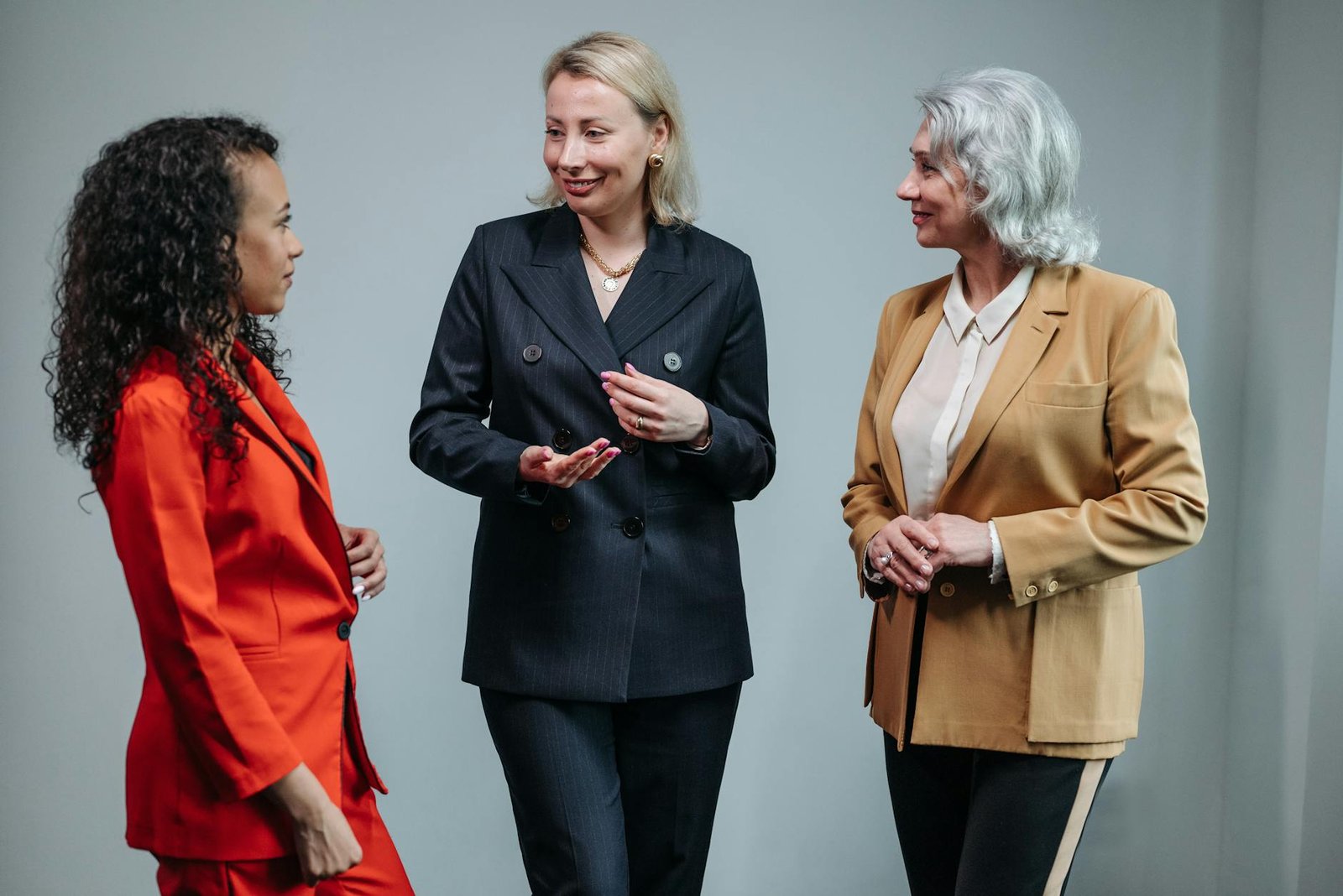
The narrative around women in leadership in the GCC has shifted dramatically over the past decade. Saudi Arabia’s Vision 2030, the UAE’s Gender Balance Council, Qatar’s national development framework, and similar initiatives across the region have produced real, measurable changes in the policy environment. Women are entering the workforce in greater numbers than at any point in the region’s history.
But the gap between policy change and workplace reality remains significant. Understanding where things genuinely stand in 2026, without either dismissing the real progress or overstating it, is essential for any woman building a leadership career in the region.
What Has Actually Changed
The most significant changes have been at the structural and regulatory level. In Saudi Arabia, women now account for over 30% of the workforce, a figure that was below 20% a decade ago. The Vision 2030 target of 30% female workforce participation has been met and is now being exceeded in some sectors. Women can now drive, travel without male guardian permission, and access a wider range of economic activities than at any previous point.
In the UAE, the Gender Balance Council has driven real change in government representation. Women hold significant positions in federal ministries, the diplomatic corps, and the space programme. Emirati women have among the highest rates of educational attainment and formal employment of women anywhere in the Arab world.
What Has Not Changed
The representation of women at senior leadership and board level across the GCC remains far below parity, even after accounting for the policy changes. In the private sector particularly, the proportion of women in C-suite and senior executive roles remains in single digits in most industries.
The structural barriers that remain are real and should be named honestly: informal networks that continue to operate along gender lines, advancement processes that are not transparent or merit-based in practice even when they are on paper, career interruption penalties that disproportionately affect women who take maternity leave or reduce hours, and cultural expectations around family responsibilities that still fall more heavily on women than men in most households.
The Sectors With the Most Opportunity
Opportunity is not distributed equally across the GCC economy. The sectors where women are advancing most rapidly tend to share certain characteristics: they are either driven by government mandate (public sector, banking, healthcare) or they are in areas where talent shortages are acute enough that organisations cannot afford to ignore half the talent pool (technology, finance, professional services).
Healthcare and education have historically been sectors with high female representation in the GCC and continue to offer strong career pathways. The financial services sector has seen significant progress in UAE and Bahrain. Technology is emerging as a strong sector, particularly for younger Emirati and Saudi women with technical qualifications.
What Women Can Do Right Now
Policy change creates opportunity but it does not automatically translate into individual career advancement. The women who are advancing most effectively in GCC leadership environments are doing several things deliberately:
- Building sponsors, not just mentors. A mentor gives advice. A sponsor uses their influence to open doors. In GCC organisational cultures where advancement is heavily relationship-dependent, having senior sponsors who actively advocate for you is more important than almost anything else.
- Making their work visible. Many high-performing women in GCC organisations are doing excellent work that their senior leadership either does not see or does not associate directly with them. Strategic visibility, not self-promotion, is a learnable skill.
- Negotiating deliberately. Research consistently shows that women in the GCC negotiate for salary and promotion less frequently than men, and accept the first offer more often. This is not a character flaw. It is a learned behaviour that can be changed with the right skills and preparation.
- Investing in formal professional development. In contexts where informal networks are less accessible, formal credentials and certifications carry additional weight. Organisations are more likely to invest in developing and promoting people who visibly invest in their own development.
The Outlook for 2026 and Beyond
The trajectory is positive. The regulatory and cultural changes of the past decade have created conditions that did not exist before, and each year sees more women in visible leadership positions who serve as evidence to younger women that senior roles are accessible. The pace of change is likely to continue, driven by demographic pressure (the high female graduate rates mean organisations that do not tap female talent will face talent shortages), government policy, and the growing evidence base that diverse leadership teams produce better decisions.
The honest assessment is that the opportunity is real, the structural barriers are real, and navigating the gap between the two requires deliberate strategy, not just hard work.
Build the Skills to Navigate and Advance in GCC Leadership
Our Women in Leadership course is designed specifically for the GCC and African context. It gives you the practical skills, strategies, and tools to advance your career, negotiate effectively, and lead with confidence.
Need In-House Training?
We run all our courses as private programmes for organisations across the GCC and Africa.
Request In-House →