
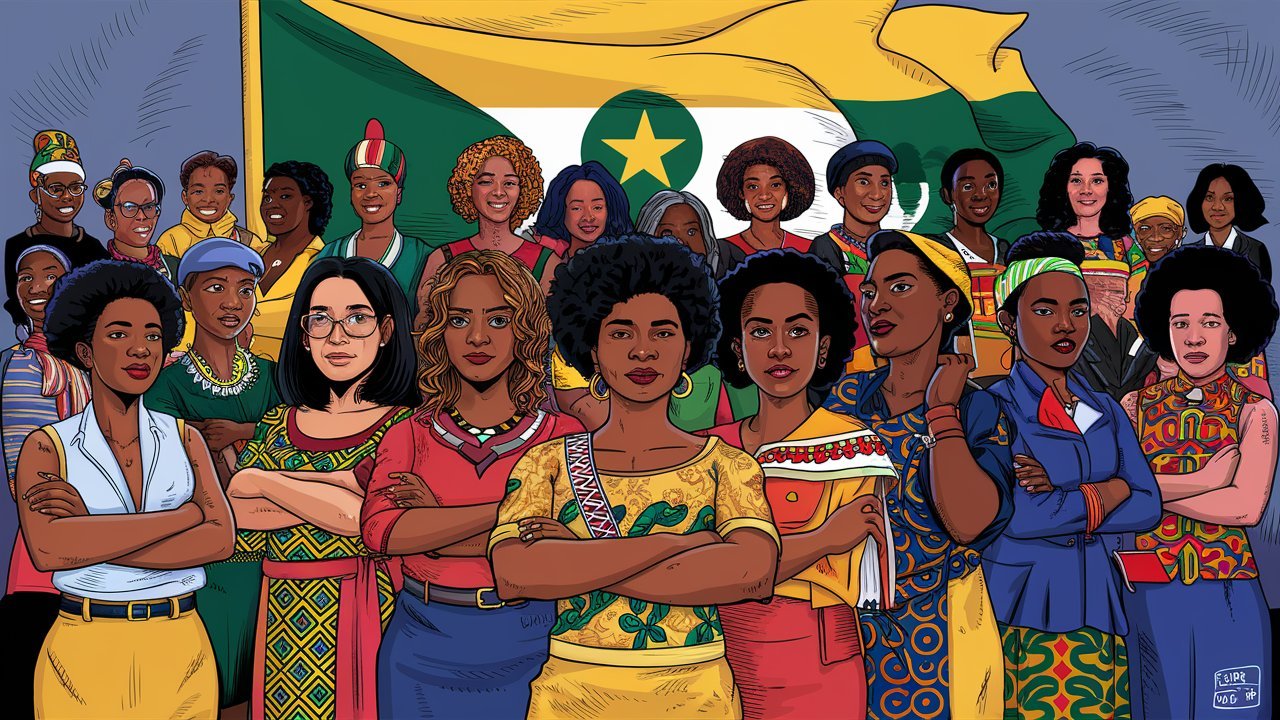
How are women doing in Ghana’s government work? Are they getting equal chances, or are there big obstacles? We’ll explore the stats to find out the real story behind women’s roles and representation in Ghana’s public life.
In Ghana, women are doing great in school and health. But, they are not seeing these wins in jobs and important decision-making roles.1 About 77% of women work in jobs that aren’t secure and don’t pay much, while this is true for only 58% of men.1 Also, only a small number are part of important decisions, like 15% in the national parliament and 27% as leaders in private companies.1 These low numbers show how hard it is for women to climb higher in Ghana’s public life.
For many women and girls in rural areas, getting an education or health help is harder than for those in the city.1 They also face limits on things like owning land, which makes it even tougher for them to improve their money situation.1 Plus, many women suffer from violence, such as being hurt, bullied, or attacked sexually.1
Looking closely at these stats, we see the many factors at play in shaping women’s roles in Ghana’s public jobs. Let’s really get into what’s needed for true gender equality in Ghana. And, let’s look for the best ways to support women and make the government more welcoming for everyone.
Gender Equality in Ghana’s Public Sector
The 1992 Constitution of Ghana says women should have equal political chances. Yet, there are few women in the government and public places. In 2012, Ghana’s Parliament had only 11% women, with 29 out of 275 MPs being female. This number has slowly gotten better, with 13% and 14.5% female MPs in the 2016 and 2020 elections.
However, at the local level, things are tougher. The number of women elected dropped from 478 in 2006 to 216 in 2019.
Legal Frameworks for Gender Equality
Ghana’s Constitution bans gender discrimination. It also says there should be a gender balance in public office hiring.2
There is a big hope for the Affirmative Action Bill. By 2030, it wants equal chances for women in public jobs. But, putting these laws into action fully is key. This will help women get better represented in government.
Women’s Representation in Government Institutions
In Ghana, women have few seats in government – only 14.6%. Local areas show just 3.6% female representatives. In private business, women are at 27% in management.2
It’s important to fix the gender gap at work and in making decisions. This is a big step towards equal rights in Ghana’s public places.
Barriers to Women’s Participation in Public Service
Many things keep women from joining politics and public roles. This includes fear, not being seen, not knowing how to read, and no money for elections. Gender violence, little support from political parties, and traditional roles are also big issues.2
To give women more chances in public roles, these issues must be tackled. This will make a better and more supportive place for women in Ghana’s public jobs.
Employment and Economic Opportunities for Women
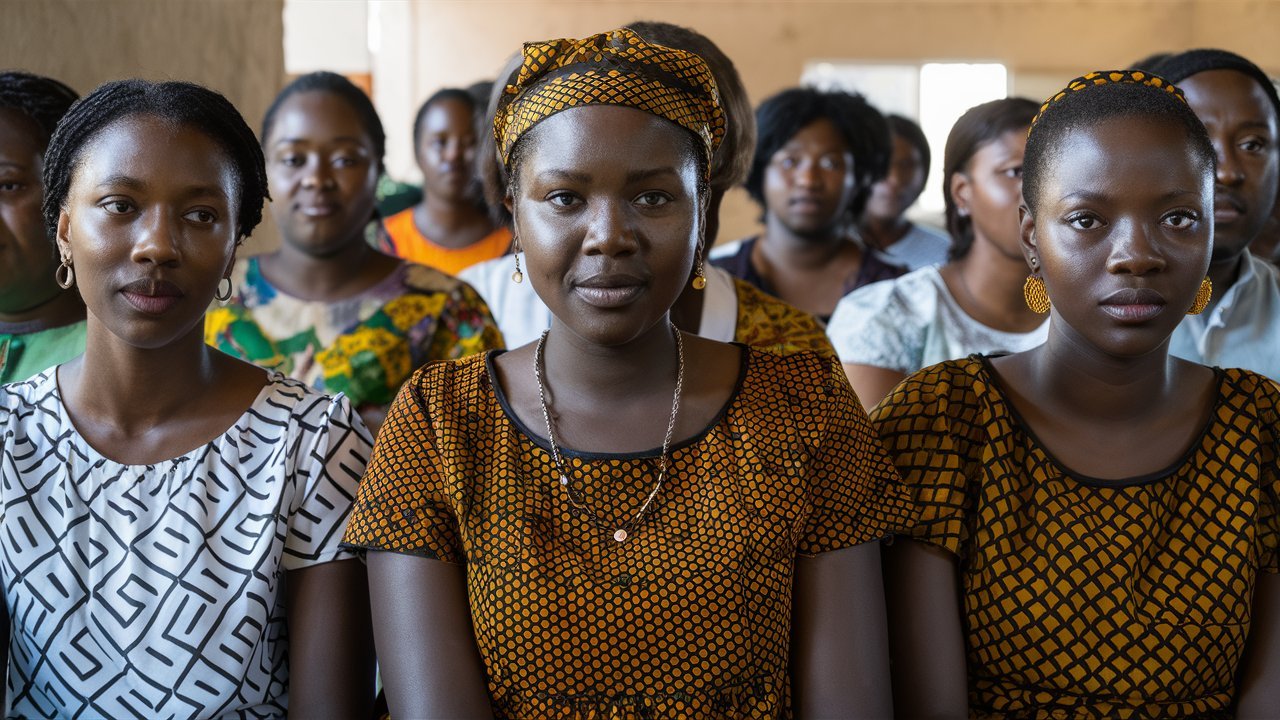
In Ghana, more women are working these days, showing a rise to 65%.3 This is higher than in many other Sub-Saharan African countries. But, they still face challenges in finding good jobs. A big portion of women’s work, 77%, is considered vulnerable. This is more than men, who sit at 58%.3
Rural women mostly work for themselves, making less money. Their jobs usually aren’t formal. Many women choose this path. It allows them to care for their families and make money at the same time. But it also keeps them from better-paying formal jobs.
Gender Pay Gap and Vulnerable Employment
Most businesses run by women can’t get the things they need to grow. This keeps them from making more money. A big issue is not having land to use as security for loans. About 8% of women have their own land. For men, it’s 30%.3
Access to Productive Assets and Financial Inclusion
Across Ghana, women make up 40% of jobs in farming and fishing.4 They contribute about 30% of their households’ income too. But, they still struggle to get the resources they need to do better. This makes it hard for them to become more economically powerful.
Programs like USAID’s West Africa Trade & Investment Hub are making a big difference. Since 2020, they’ve opened up 15,000 new jobs. They also helped make $60 million in exports happen. Most importantly, these efforts have a big impact on women, with 72% joining in.4
There’s also the Partnership for Education Learning Activity. This effort has reached almost a million girls in primary school and over a hundred thousand in pre-primary school. Almost half of these kids are girls. This shows that focused projects can really help women and girls in Ghana.
Education and Human Endowment
In Ghana, improvements have been seen in health and education. But, challenges remain for rural women and girls.3 Girls in the countryside have lower school attendance and achievement. They also tend to drop out more than their city peers.3 Socio-cultural issues like early marriage and teenage pregnancy hold them back. Only 79% of rural girls go to primary school, compared to 86% in cities.3 Also, more rural girls become mothers as teens than those in urban areas. This situation affects women’s ability to join the workforce.
Literacy Rates and Out-of-School Children
Despite progress in Ghana, significant gaps remain for its rural women and girls.5 Poverty hits these groups hard. This is especially true for women running their households alone.5 More women than men have never been to school in Ghana.5
Barriers to Education for Girls in Rural Areas
In rural areas, girls struggle more than boys in school. They face problems like early marriage and too much housework.3 Less rural girls attend primary school than those in cities. And more of them become teenage mothers.3 This all makes it harder for women to work later on.
Health and Social Well-being
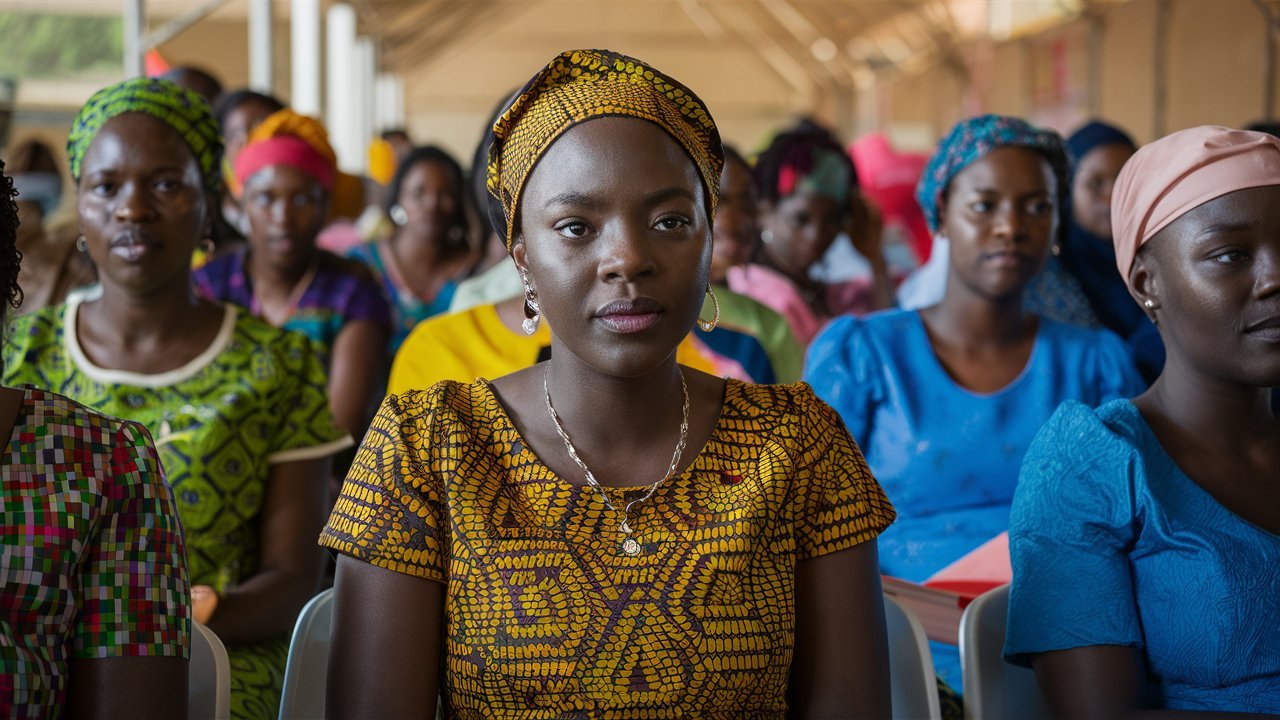
In Ghana, strides have been made in health and education for all. Still, gaps remain, especially for rural women and girls. The maternal mortality ratio is 319 per 100,000 live births,6 and there’s an adolescent birth rate of 66 per 1,000 aged 15-19 years.6 Also, 2.1% of Ghana’s adults face severe food shortage, with women suffering more.6 These challenges hit women and girls hard, mainly in rural areas, limiting their public life and well-being.
Maternal Mortality and Adolescent Birth Rates
High maternal mortality, at 319 per 100,000 live births,6 shows the need for better maternal healthcare, especially in rural places. And with 66 per 1,000 adolescents giving birth,6 Ghana’s young women face extra hurdles. These challenges can limit their chances in school and work.
Food Insecurity and Poverty
In Ghana, poverty and not having enough food are real problems.6 2.1% of adults suffer from severe food insecurity, with rural women bearing the brunt. This affects their health, diet, and well-being. It’s key to tackle food insecurity and poverty to boost gender equality and support women in Ghana’s society.
Gender-Based Violence and Harmful Practices
In Ghana, gender-based violence is still a big issue. It often takes the forms of economic, social, psychological, physical, and sexual violence.3 Shockingly, women and girls with disabilities are twice as likely to experience sexual or physical violence.7 These individuals are usually reliant on their partners, have lower income and education, and their partners see them as more vulnerable.7
Prevalence of Domestic Violence and Intimate Partner Violence
Domestic and partner violence is alarmingly common in Ghana. The World Health Organization and the Ghana Demographic and Health Survey have both studied this.7 They found that it leads to severe mental health issues like major depressive disorder and postpartum depression.7
Child Marriage and Early Unions
Child marriage and early unions severely affect girls and women in Ghana. About 3% of Ghanaian women were married before they were 15, and 18% before they were 18. These early marriages badly impact their health, education, and overall growth.
Tackling domestic violence, harmful practices like child marriage, and early unions is key for women’s progress. It paves the way for more gender diversity in public roles and the growth of women’s careers in government.3 This needs a united push from the government, civil society, and support groups to overturn the structures that fuel gender-based violence and discrimination.
Unpaid Care Work and Time Burden
Women in Ghana do most of the unpaid domestic work and care duties.8 They spend a lot of time on this. It makes it hard for them to work for pay or be part of making decisions.
In Ghana, women do 76.2% of all unpaid care work.9 They work three times more than men on this. This trend is stronger in regions like the North, where women do seven times more care work than men.9
On average, a Ghanaian woman works 13 hours daily. Most of this work goes unpaid.8 They cook, care for kids, and do most of the home chores.8 Women also spend almost double the time men do on taking care of children.
Worldwide, women do 76% of all the unpaid care work.10 This means they spend 12 out of every 50 years of their lives on this work.10
statistics for women role in the public sector of ghana
While there has been improvement in women’s roles in Ghana’s public arena, gender gaps persist. Only 14.5% of Ghana’s Parliament seats are held by women. Their numbers in local governments have even dropped.3 In the private industry, women occupy just 27% of top management spots. This imbalance is fueled by several challenges, like intimidation, underappreciation, and educational barriers.3
Many factors keep women from taking part in leadership roles. These include not being taken seriously, limited access to funds for political campaigns, violence based on gender, and being locked into traditional roles.3
Gender Disparities in Public Employment
In the public sector, Ghana shines with a high women labor force participation at 65%. This beats the regional average of 63%.3 Still, a big issue is that 77% of Ghanaian women have vulnerable jobs, which is much higher than men at 58%.3 Also, only 8% of Ghanaian women have land ownership, while men hold that title three times as often.3
Women in Leadership and Decision-Making Roles
Only 15% of Ghana’s parliamentarians are women.3 Sadly, many Ghanaian women experience various forms of violence. This includes economic, social, psychological, physical, and sexual violence.3 Shockingly, disabled women in Ghana face sexual or physical abuse twice as often as those without disabilities.3 In the public sector, many women choose self-employment over low-paying, undervalued jobs to juggle money-making with home duties.3
To improve the situation, steps must be taken to break these barriers. More women should be encouraged and supported to grab leadership and decision-making roles. This is key for Ghana to move towards gender equality and a more inclusive government.
Environmental Conservation and Gender
In Ghana, environmental problems hit women and girls hard. They face issues like household air pollution and a lack of clean water and sanitation. Household air pollution causes about 114 deaths per 100,000 people.11Plus, only 86% of Ghanaians enjoy safe drinking water, with huge differences between cities and the countryside. Collecting water and firewood often falls on women and girls. This affects their health and takes time away from other activities.11
Household Air Pollution and Health Impacts
Household air pollution is a big deal in Ghana, leading to many deaths. About 114 out of every 100,000 people die from this.11 This is especially hard on women and girls. They spend more time at home, where they encounter dangerous pollutants.
Access to Clean Water and Sanitation
Getting clean water and proper sanitation in Ghana is a big issue. Just 86% of the country has access to safe drinking water. There’s a big gap between city dwellers and those in rural areas.11 Women and girls often do the water collecting. This affects their health and keeps them from other important activities like school and work.
To make things better, we need a plan that focuses on how these problems affect women and girls. This means looking for clean energy options. It also means fixing the problems with water and sanitation and letting women help decide how to look after the environment.
Rural and Urban Disparities
In Ghana, women and girls living in rural areas find it harder to overcome challenges than those in cities. They face difficulties such as not being able to attend or complete school as easily as their urban peers. These challenges include but are not limited to high rates of early pregnancy, early marriage, and heavy domestic workloads.3 In rural areas, 79% girls go to primary school, whereas 86% do in cities. Also, 18% of rural girls become mothers early, while this happens to only 11% in urban areas.3 Additionally, most rural women work for themselves in jobs that are not registered or protected, making less money.3
Challenges Faced by Rural Women
The big differences between life in the city and the countryside in Ghana have serious effects. It limits rural women’s and girls’ chances and well-being. Solving these issues is key to making the country more equal and open for everyone.
Access to Services and Opportunities
Helping rural women and girls get to essential services and chances is vital. Doing this would help them break through limits, further their country’s progress, and increase their impact.3 Having an equal number of men and women in important government jobs is key to making Ghana a fairer place for all.
Women’s Empowerment and Gender Mainstreaming
The Government of Ghana has worked hard to boost women’s empowerment and gender mainstreaming. They included gender equality in the 1992 Constitution. They also made and put into action different policies and programs.3 Yet, there’s still more to do to make these efforts truly successful.
Government Policies and Initiatives
The government has put forward multiple policies and initiatives. These are designed to push gender equality in Ghana’s public service. They aim to boost3 women’s numbers in the Ghanaian government and to encourage3 women to lead in Ghana’s civil service. Though they’ve made a start, gender gaps3 show further steps are needed. These steps are crucial to fully empower women working in the public field.
Role of Civil Society and Development Partners
Civil groups and development partners have been vital in fighting for women’s rights. They support gender equality efforts in Ghana’s public sector.3 They’ve worked with the government to tackle the gender gaps. They aim to give women more power in Ghana’s government and its decision-making areas. This teamwork is key for driving3 gender equality forward. It also helps in creating more inclusive government systems in Ghana.
Intersectionality and Vulnerable Groups
In Ghana, women and girls with disabilities face extra hurdles. They are more likely to suffer sexual or physical abuse than those without disabilities.12 Women with disabilities are at higher risk of relying on a partner for their needs. They often face poverty and lack of education, making them appear more vulnerable.12
Moreover, there are big gaps based on regions and wealth in Ghana. Women and girls in remote and northern parts of the country are more likely to be poor. They also find it harder to get education, health care, and jobs.
Women with Disabilities
Women and girls with disabilities in Ghana meet unique challenges. They are at a higher risk of violence, being twice more likely to be victims.12 This vulnerability grows due to economic and social isolation. Women rely more on a partner, face poverty, have little education, and are seen as weaker by society.12
Regional and Socioeconomic Disparities
Ghana also sees big differences based on where people live and how much they earn. Women and girls in the country’s rural and northern areas struggle more. They have fewer opportunities for education, health care, and jobs. This leads to more poverty and limits their involvement in Ghana’s public life.
We must tackle the different obstacles faced by these at-risk groups. This is key for making Ghana’s development fair and inclusive for all. Leaders and groups involved in policy must look at the big picture. They need to understand the unique struggles of women with disabilities and those in poorer parts. This way, they can create direct actions and policies that help bring gender equality in the public sector.
Impact of External Shocks
Events like the COVID-19 pandemic and climate change have worsened gender gaps and inequalities in Ghana. Women have borne the brunt of the COVID-19 effects, facing more job losses. They also have more unpaid care work and trouble accessing health services.13
The climate’s changes have hit women harder, too. They often secure water, food, and energy for their families. With droughts and floods becoming more common, these tasks are even tougher. This situation has especially affected women in rural areas and those with disabilities. It shows the urgent need for policies and programs that support women. We need strategies that help them recover and support their growth in Ghana’s economy.
COVID-19 and Gender Implications
It’s clear that the pandemic hit women in Ghana hard. They lost jobs more than men did and had to do more unpaid care. Essential health services they rely on, like maternal care, were disrupted. This had major effects on their work, life balance, and health.
Climate Change and Gender Dimensions
Climate change has made life even harder for Ghana’s women. They’re the main ones securing essentials for their families. But now, with more droughts and floods, this job is more challenging. These difficulties have worsened existing gender gaps. They’ve also made it harder for women to join in decision-making roles.
The pandemic and climate change have reminded us of an urgent need. Ghana must develop plans that consider women’s unique needs. This means helping them find balance, supporting them to take key roles in public life, and offering mentorship for women in public service.
Addressing Gender Gaps: A Multi-Sectoral Approach
The World Bank is working to bridge gender gaps in Ghana. They’ve put together a plan called the C-GAP. This plan involves many groups like the World Bank, the Ghanaian government, and development partners. It looks at various sectors to reduce barriers for women.14
Ghana’s Country Gender Action Plan
This action plan aims to let women have a say in decisions. It also wants to boost their access to assets and money services. Moreover, it seeks to improve women’s education and health. And, it plans to tackle violence based on gender.14
Coordinated Efforts for Gender Equality
For success, a team effort is vital. This includes the government, civil groups, and development partners. Together, they work on making gender equality ventures a hit, both in Ghana’s government and elsewhere.14
The C-GAP tackles gender gaps in Ghana in a broad way. It focuses on fixing issues like pay equality, empowering women, and getting more women in the civil service.1514
Conclusion
While Ghana moves forward in gender equality, there are big hurdles to clear. Women still face challenges in fully joining the public sector. Gender gaps remain in politics, top jobs, work, and services.1 Solving these issues needs a broad action. This means fighting deep-rooted gender struggles, breaking social norms, and changing laws to fight unequal care work.
The work of the government, civil society, and supporters is key. Ghana’s Country Gender Action Plan outlines steps for women’s empowerment and fair governance.1 By working on these gender gaps and welcoming diversity in the civil service, we can boost female leadership. This will change Ghana for the better for everyone.
With focused government policies and gender mainstreaming, we can win. This means making an environment where women can shine in governance and decisions. Such efforts will not only push gender equality but also help the whole public sector grow.
References:
- https://library.fes.de/pdf-files/bueros/ghana/02990.pdf
- https://afrobarometer.org/publication/ad573-amid-persistent-gender-inequalities-ghanaians-call-for-government-action-to-bridge-the-gaps/
- https://blogs.worldbank.org/en/nasikiliza/reach-gender-equality-ghana-needs-prioritize-social-and-economic-inclusion
- https://www.usaid.gov/ghana/gender-equality
- https://www.diva-portal.org/smash/get/diva2:1605124/FULLTEXT02
- https://www.ncbi.nlm.nih.gov/pmc/articles/PMC5926535/
- https://www.ncbi.nlm.nih.gov/pmc/articles/PMC4852424/
- https://www.oecd.org/dev/development-gender/Unpaid_care_work.pdf
- https://www.ajol.info/index.php/gjds/article/view/226476/213737
- https://powerproject.actionaid.org/module/unpaid-care-and-domestic-work/
- https://wedo.org/wp-content/uploads/ghana-case-study.pdf
- https://www.ncbi.nlm.nih.gov/pmc/articles/PMC10986752/
- https://www.worldbank.org/en/country/ghana/overview
- https://www.unwomen.org/sites/default/files/Headquarters/Attachments/Sections/CSW/64/National-reviews/Ghana-en.pdf
- https://climatepromise.undp.org/sites/default/files/research_report_document/undp-ndcsp-ghana-gender-analysis-final2.pdf


