
Youth Development in Kenya and Nigeria: Opportunities, Challenges, and What Works
May 23, 2026 · Youth Development · 5 min read
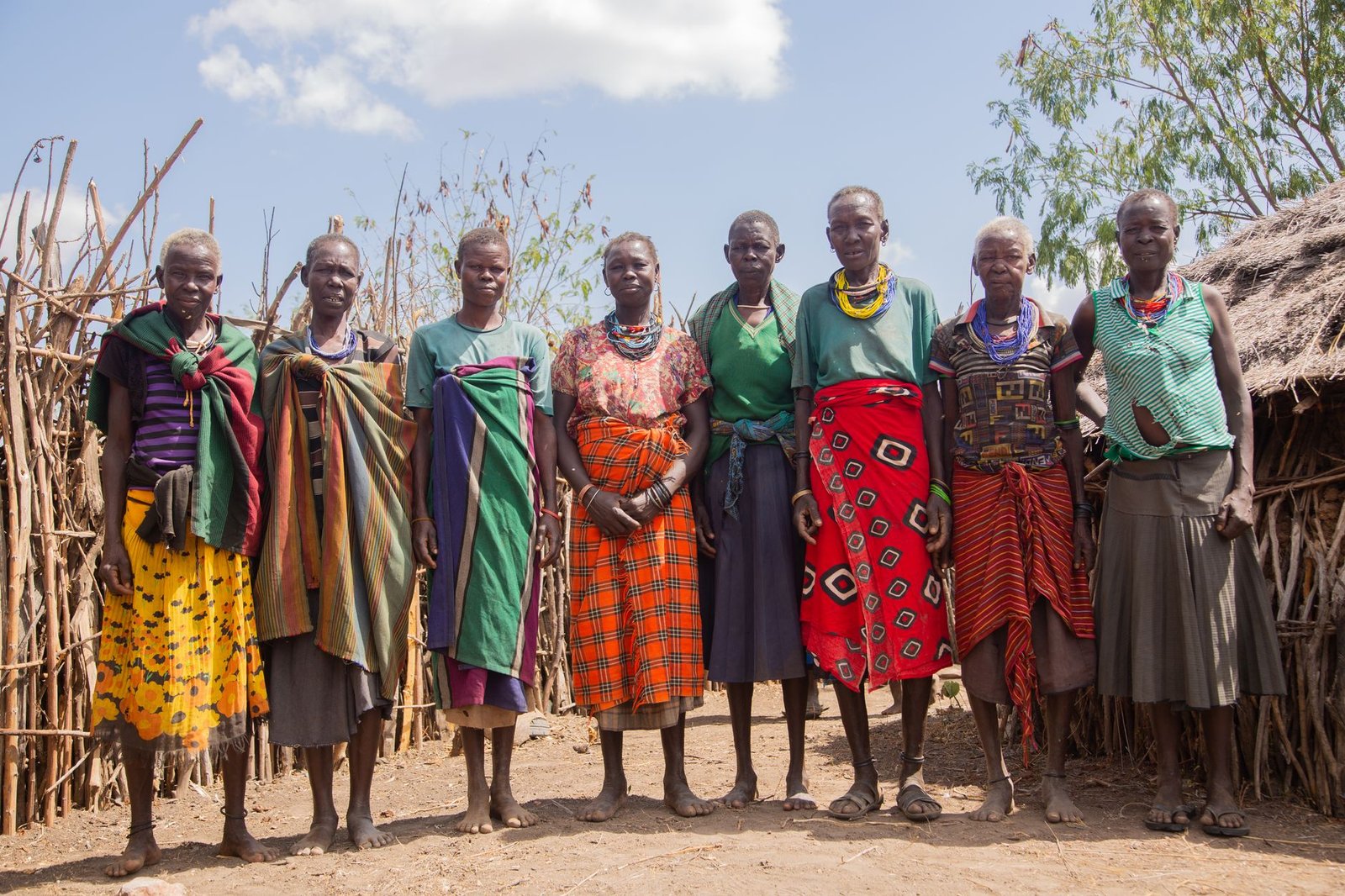
Kenya and Nigeria together account for over 300 million people, a significant proportion of whom are under 25. Both countries have young, fast-growing, urbanising populations with high levels of digital connectivity, entrepreneurial energy, and growing but insufficient formal employment. Both are also contexts where youth development practitioners, NGOs, government agencies, and international donors are investing significant resources, with mixed results.
Understanding the specific dynamics of youth development in each context is essential for anyone designing, funding, or delivering programmes in these markets. This piece draws on programme evidence and practitioner experience to give an honest picture of what practitioners need to know.
Kenya: The Context
Kenya has one of the most dynamic youth development ecosystems in sub-Saharan Africa. Nairobi in particular has emerged as a significant hub for youth entrepreneurship, technology, and civil society, with a growing number of incubators, accelerators, and co-working spaces serving young entrepreneurs. The mobile money infrastructure built around M-Pesa has created economic opportunities that did not exist a decade ago and has dramatically lowered the barriers to entrepreneurship and informal employment.
Key Challenges in Kenya
The urban-rural divide is one of the most significant structural challenges in Kenyan youth development. Nairobi and Mombasa have relatively developed youth support ecosystems. Young people in rural counties, particularly in the north and northeast, face dramatically different conditions: limited connectivity, lower educational attainment, fewer formal employment opportunities, and weaker civil society infrastructure.
The quality of secondary and tertiary education remains a challenge, with a significant gap between graduate skills and employer requirements. Many youth programmes are effectively filling a remedial function: giving young people the skills they should have acquired through the formal education system but did not.
What Works in Kenya
The evidence from Kenyan youth development programmes points to several consistent success factors: strong community partnerships and community ownership of programme design, integration of digital skills and mobile technology into programme delivery, peer learning and mentoring structures that sustain engagement after formal training ends, and tight connections between training content and actual market opportunities.
Nigeria: The Context
Nigeria’s scale makes it a unique context for youth development. With a population of over 220 million and a median age below 20, the demographic pressure on the labour market is extraordinary. Lagos alone has a population larger than many African countries, and the concentration of economic activity in Lagos, Abuja, and Port Harcourt means that youth development challenges and opportunities vary dramatically by geography.
The technology and creative sectors are bright spots. Lagos has emerged as one of Africa’s most significant technology hubs, with a vibrant startup ecosystem and a Nollywood film industry that has become a global cultural export. For youth with the right skills and networks, there are real opportunities in these sectors that did not exist a decade ago.
Key Challenges in Nigeria
The security situation in parts of Nigeria, particularly in the north and northeast, creates conditions for youth development that are fundamentally different from those in the south. Programmes designed for Lagos cannot simply be replicated in Maiduguri or Kano. Security constraints affect programme delivery, participant recruitment, and the economic opportunities available to graduates.
Nigeria’s federal structure means that youth development policy and programming operates at both federal and state level, with significant variation in quality, coverage, and effectiveness between states. Programmes that do not engage with this complexity often struggle to achieve sustainable impact.
What Works in Nigeria
The programmes with the strongest evidence of impact in Nigeria share several characteristics: they are delivered through trusted community and religious institutions rather than external organisations parachuting in, they take the informal economy seriously as a destination for young people rather than treating formal employment as the only valid outcome, they build in significant peer support and alumni network components, and they are explicitly designed for the specific context they are operating in rather than adapted from global templates.
What Both Contexts Share
Despite the differences, Kenya and Nigeria share several realities that practitioners need to build into their programme design:
- Soft skills matter as much as technical skills. Employers consistently cite communication, critical thinking, reliability, and professional behaviour as bigger gaps than technical knowledge. Programmes that ignore this focus too narrowly.
- The informal economy is not a failure mode. For the majority of young people in both countries, formal employment is not a realistic near-term outcome. Programmes should be designed to help young people succeed in the informal economy, not just prepare them for formal jobs that do not exist in sufficient numbers.
- Digital connectivity is an asset, not a luxury. Smartphone penetration and social media use among young people in both countries is high and growing. Effective programmes use digital channels for delivery, support, and community building, not just face-to-face training.
- Gender matters and must be explicitly addressed. Young women in both contexts face specific barriers that young men do not. Programmes that do not address these explicitly will systematically underserve female participants.
Implications for Programme Design
For practitioners designing or funding youth development programmes in Kenya or Nigeria, the most important implication is context-specificity. Programmes need to be designed for the specific community, sector, and young people they serve, not imported from elsewhere and lightly adapted. The evidence of what works in one context does not automatically transfer to another, and the assumption that it does is one of the most common and costly mistakes in international youth development.
The second implication is sustainability. The programmes with the best long-term track records are those that build local capacity, not those that depend on external expertise and funding in perpetuity. Building the skills, systems, and relationships that allow communities to sustain and adapt programmes after external support ends is not a nice-to-have. It is the point.
Building Youth Programmes Across Africa?
Our Youth Programme Planning, Monitoring and Evaluation course is designed for practitioners working in GCC and African contexts, with case studies drawn from Kenya, Nigeria, Ghana, Jordan, Saudi Arabia, and the UAE.
Need In-House Training?
We run all our courses as private programmes for organisations across the GCC and Africa.
Request In-House →